A front door in the Netherlands works hard. It must face wind, rain and sea air, meet security and energy rules, and still look right on a Dutch street. Smart front door selection Netherlands decisions raise comfort, safety and value. Use this guide to navigate Dutch entry doors with confidence and choose what truly fits your home and neighborhood.
Basic concepts
Know the essentials before choosing home doors NL. The leaf is the moving part; the frame anchors to the wall; the dorpel is the threshold that keeps out water. U-value measures heat loss (lower is better). SKG stars indicate burglary resistance; aim for SKG 2 or 3. PKVW means compliance with the Politiekeurmerk Veilig Wonen security standard. A meerpuntssluiting is a multi-point lock that secures at several points. For apartments, fire-rated doors (often EI30) and self-closing hinges are common requirements; verify with your VvE and local rules.
Climate-proof materials and finishes
Compare residential door options Netherlands
- Hardwood: Warm look, fits jaren 30 and traditional façades. Choose FSC-certified species or modified woods (e.g., acetylated) for stability. Demand factory finishing and drip edges to resist driving rain.
- Kunststof (uPVC): Low maintenance, good insulation, wide RAL color range. Ensure steel reinforcement and quality gaskets for coastal wind loads.
- Aluminium: Slim profiles, modern lines, durable coatings. Specify thermally broken frames and powder coat with seaside specification where salt spray is an issue.
- Steel: Strong and sleek, ideal for narrow sightlines. Combine with thermal breaks and insulation to avoid cold bridges.
- Composite: Stable sandwich constructions offering strength and insulation with minimal upkeep.
For the best front doors Netherlands performance near the coast, use marine-grade hardware and corrosion-resistant hinges, cylinders and letter plates. Choose finishes certified for harsh environments and confirm maintenance intervals.
Energy and comfort
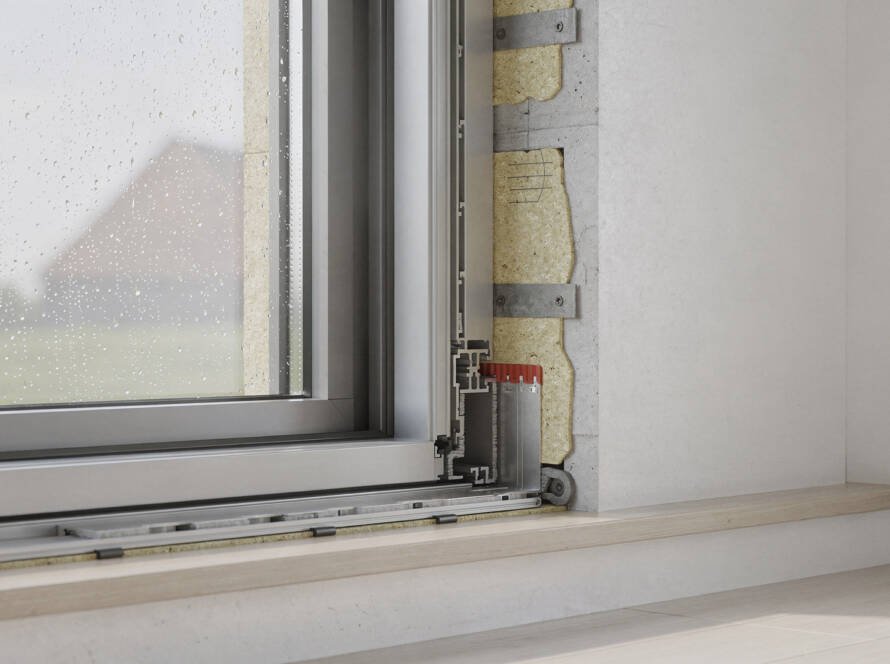
Cut drafts and energy loss without sacrificing style. Target a door set U-value around 1.0–1.4 W/m²K; combine insulated cores with HR++ or triple glazing in any panels. Use continuous weatherstrips, a thermally broken threshold and warm-edge spacers in glass. Add a safe night-vent position (kierstandhouder) for controlled airflow without compromising security. Good airtightness supports BENG targets and improves indoor comfort.
Safety and privacy
- Specify SKG 3-star cylinders, security escutcheons and a certified meerpuntssluiting to meet PKVW requirements.
- Choose laminated safety glass for vision panels; it resists impact and deters forced entry.
- Balance light and privacy with frosted or reeded glass in the lower half, or use high-level glazing and a separate sidelicht.
- Plan door viewers and chain restrictors where appropriate; keep letter plates away from locks to prevent fishing.
Rules and approvals in the Netherlands
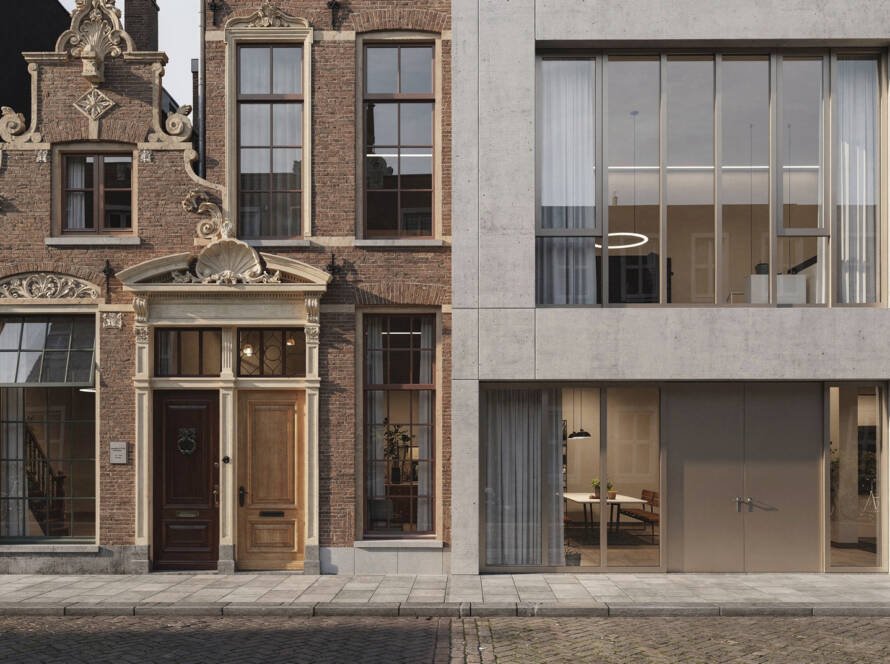
Align design with local constraints. In protected cityscapes or for monumenten, façade changes, colors and profiles may require municipal approval. Apartments often need fire-rated, self-closing front doors to communal corridors. For terraced streets, maintain rhythm: panel patterns, bovenlicht proportions and color tones often follow neighborhood character. Confirm hinge direction and opening clearances on narrow stoops common in Dutch cities.
Design that fits the street
Respect the Dutch streetscape while updating performance. Jaren 30 homes suit vertical panels with small glazed lights; modern builds handle flush doors with clean pulls; canal houses favor taller leaves with classic proportions. Coordinate RAL colors with brickwork and frames. Integrate a brievenbus with insulated flap and brush seals to avoid drafts. Keep the doorbell, house number and light aligned for a crisp entry composition.
Sizing, thresholds and accessibility
Ensure a clear passage of at least 850 mm where possible. Use low or drempelloos thresholds with water barriers for accessibility and weather protection. Add drainage channels if the stoop is exposed. Choose robust hinges rated for the door’s weight, especially with large glass panels and tall leaves.
Practical tips
- Define priorities: security, energy, style, maintenance and budget. Rank them before comparing models.
- Match material to location: pick corrosion-resistant solutions for coastal zones and shaded, damp façades.
- Set performance targets: U-value, SKG stars, airtightness and any fire rating. Put numbers in the specification.
- Detail hardware: cylinder length, escutcheon type, letter plate position, viewer height and door closer needs.
- Verify rules: check monument status, welstand guidelines, apartment fire requirements and VvE house rules.
- Plan installation: demand accurate measurement, square frames, continuous sealing, correct threshold bedding and documented handover with maintenance instructions and keys card.
Conclusion
Choosing home doors NL is about balancing performance, regulations and street appeal. When you align materials, security, energy efficiency and design with your Dutch context, the result is a front door that looks right, feels solid and works flawlessly year-round. Use these criteria to narrow residential door options Netherlands and commit to a specification that delivers comfort, safety and lasting value.