Fresh air is not a luxury in the Netherlands; it is a daily necessity. Dense urban living, coastal winds, and well-insulated façades make balanced airflow a design challenge. Use windows and doors as precise instruments to improve Dutch indoor air quality, cut moisture, and avoid overheating. With smart choices, you get comfort, silence, and efficiency in one move—true “home ventilation windows Netherlands” done right.
Basic concepts
Air change is how often indoor air is replaced. Cross-ventilation pulls air in on one side and out on the other. Stack effect vents warm air up and out while drawing cool air in low. Infiltration is uncontrolled leakage; avoid it. Choose controlled flow via ventilated window designs Netherlands and breathable doors NL to stay comfortable and energy-aware.
Why windows matter in the Netherlands
Modern Dutch façades are airtight for energy performance. That shifts fresh-air duty to intentional features. Use trickle vents (ventilatieroosters), tilt-and-turn hardware, and secure night-vent positions to create reliable, low-draft exchange. In summer, purge heat at night; in winter, meter small, constant intake to manage humidity from cooking and showers without chilling rooms.
Ventilated window designs that work
- Tilt-and-turn: Safe, controlled top opening for daily ventilation; full turn for purge. This is the backbone of ventilated window designs Netherlands.
- Top-hung/awning: Sheds Dutch rain while venting; good for upper floors and façades facing wind.
- Sliding with micro-vent: Limited, lockable gap enables background flow; combine with acoustic glazing near busy streets.
- Trickle vents: Integrated, filtered slots deliver steady intake without drafts; pick adjustable, pressure-responsive models.
Doors that breathe without losing comfort
- Internal door undercuts or grilles: Keep air moving from living areas to wet rooms where extraction runs. These are the quiet allies of breathable doors NL.
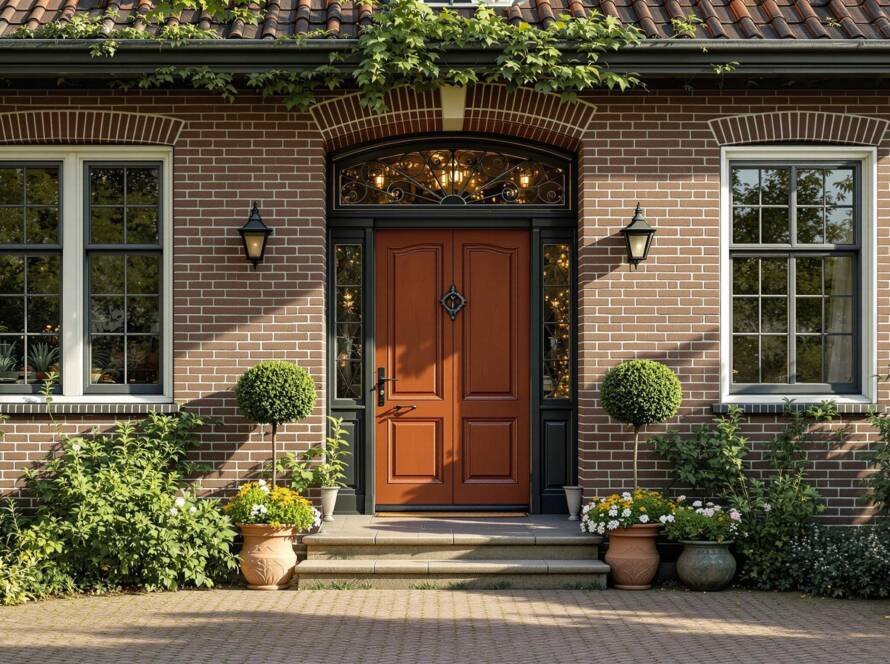
- Entrance doors: Use airtight frames and gaskets plus a dedicated vent; avoid relying on leaks. Specify secure night-vent hardware for safe airing.
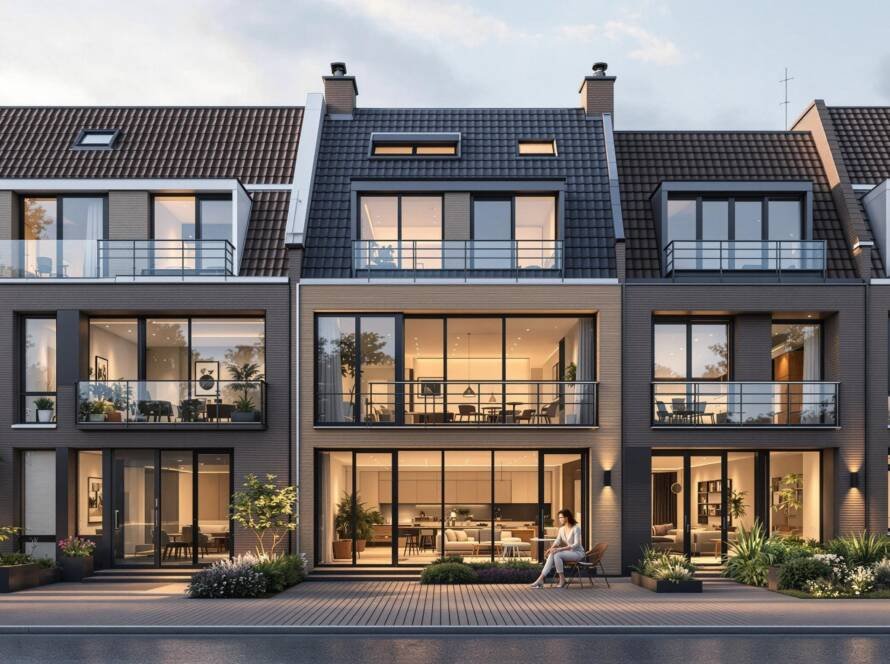
- Patio and balcony doors: Large leafs enable rapid purge; add shading and insect screens to keep use practical.
Integrate with Dutch systems and codes
New and renovated homes often use demand-controlled exhaust or balanced ventilation with heat recovery (WTW/MVHR). Keep windows usable: they complement mechanical systems for quick purge, parties, or summer nights. When planning an extension or a full renovation, route fresh intake through facades with lower pollution, and provide pressure-neutral paths between rooms. Respect required ventilation capacities while avoiding random leaks.
Materials, seals, and details
- Frames: Timber, aluminium with thermal breaks, or uPVC can all deliver airtightness; the secret is quality gaskets and precise installation.
- Seals: Multi-lip gaskets and adjustable hinges prevent whistling and cold edges, so you ventilate by design, not by accident.
- Glazing: Use low-e double or triple glazing; specify acoustic interlayers near traffic so fresh air does not mean more noise.
Health, comfort, and urban reality
- Moisture: Keep bathrooms and kitchens under slight negative pressure. Let bedroom doors pass air at night to limit CO2 and condensation.
- Overheating: Combine purge openings with external shading. Vent high and low to flush heat fast.
- Air quality: Place primary intake away from busy roads or courtyards with smokers. Use filtered vents where particulates are a concern.
Practical tips
- Map airflow per room: define intake, transfer, and extract. Avoid dead zones and short-circuits.
- Prefer tilt-and-turn windows with adjustable trickle vents for everyday control.
- Specify internal door undercuts or discreet grilles to connect rooms to extraction points.
- Add secure night-vent positions and restrictors for safe airing on ground floors.
- Seal unintended cracks; let dedicated vents do the work to stabilize comfort and noise.
- Design cross-vent routes in extensions; keep at least two façades openable for wind-driven flow.
- Plan summer purge: high-level openings plus low inlets clear heat before bedtime.
- Track humidity and CO2 indoors; adjust vent settings seasonally to protect Dutch indoor air quality.
Conclusion
Improving airflow windows and doors Netherlands is about intent, not chance. Choose airtight frames, controllable vents, and smart hardware; coordinate openings for cross-flow; and align them with mechanical systems. Do this, and windows and breathable doors NL become a precise toolkit that elevates Dutch indoor air quality, curbs moisture, and keeps homes comfortable year-round—quietly, efficiently, and on your terms.