The Benefits of Installing Double Doors in Dutch Living Rooms
In the Netherlands, where living spaces balance compact footprints with a love of daylight and garden views, double doors offer a smart upgrade. Whether you choose interior pairs between hall and lounge or exterior French doors to the terrace, double doors Netherlands improve comfort, flow and style. Plan with care, and turn ordinary Dutch living room entryways into functional, light-filled connections that suit everyday life.
Basic Concepts
- Double doors: Two hinged leaves meeting in the middle, with one active and one passive leaf.
- French doors: Glazed double doors, often opening to a garden or balcony.
- Threshold and seals: The bottom detail and gaskets that control drafts, water and noise.
- HR++/triple glazing: High-performance glass that improves insulation and comfort.
- Clear opening: The usable width when both leaves are open—key to spacious room access Netherlands.
Why Double Doors Elevate Dutch Living Rooms
1. Daylight, Views and a Calm Interior Climate
Maximise natural light and connect the lounge to the garden. Glazed pairs lift mood on grey days and extend sightlines, making rooms feel larger. In southerly aspects, specify solar-control coatings to manage summer gains while keeping winter brightness.
2. Real-World Space and Flow
Open both leaves and move furniture, prams or a bicycle with ease. Close one leaf for everyday use, or both to host a dinner. This flexibility turns tight plans into generous ones and upgrades Dutch living room entryways without structural drama.
3. Ventilation Without the Draft
Use tilt-and-turn sidelights or secure ventilation positions to bring in fresh air while keeping control over noise and security. In homes with mechanical or balanced ventilation, seal well and let the system do its job; open the pair when you want a quick purge of stale air.
4. Energy and Acoustic Performance
Modern frames, continuous gaskets and multi-point locks cut heat loss and street noise. Choose HR++ or triple glazing and insulated frames to stabilise temperature, reduce condensation and lift comfort—especially valuable in coastal wind and urban traffic.
5. Accessibility and Aging in Place
Create barrier-free thresholds and a wide clear opening for a wheelchair, walking frame or stroller. Good sightlines help supervision of children and pets. Double doors future‑proof the home with minimal visual compromise.
6. Design That Lasts
From oak panels to slim steel‑look glazing, elegant interior doors Netherlands suit canal houses and new builds alike. Consistent finishes and proportioned muntins raise perceived quality and can strengthen resale appeal.
Where Double Doors Make the Most Sense
- Hall to living: Contain sound and heat while keeping visual transparency.
- Living to dining or kitchen: Host large gatherings; close off cooking noise when needed.
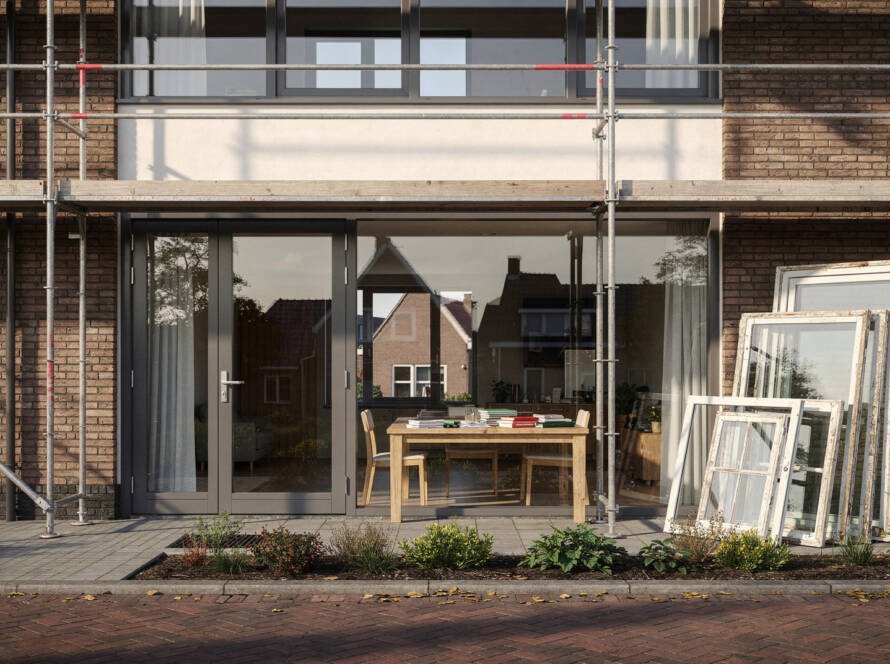
- Living to garden or balcony: Classic installing French doors NL scenario—merge inside and outside.
- Extensions (uitbouw): Use wide pairs to maintain light to the original rooms.
Practical Tips
- Define the goal. Decide whether the priority is light, access, acoustics, energy, or all four. Let this drive glazing, frame and hardware choices.
- Measure constraints. Check wall thickness, ceiling height, radiators, switches and floor levels. Keep symmetry where possible to enhance calm lines.
- Specify glazing with intent. Use HR++ or triple; add laminated safety glass at low levels and near doors; consider acoustic laminates on noisy streets.
- Select durable materials. Choose engineered timber with quality finishes, aluminium with thermal breaks, or steel‑look systems with slender profiles that suit Dutch humidity and coastal air.
- Plan accessibility. Aim for a low threshold and a generous clear opening for true spacious room access Netherlands; choose handles and closers that are easy to operate.
- Think airtightness. Use continuous gaskets, keep the meeting stile straight, and specify an adjustable threshold to control drafts.
- Coordinate heating and floors. Leave clearance for underfloor heating expansion and rugs; align door leaf swing with circulation.
- Check permits and heritage rules. For facade changes or protected streetscapes, verify municipal requirements before work starts.
- Stage the work. Protect floors, isolate dust, and schedule noisy work within building rules (VvE/owners’ association where applicable).
- Choose a coherent look. Match colours, hardware finishes and sightlines to existing windows to create a single, elegant composition.
Conclusion
Install double doors to unlock light, flow and comfort in Dutch living rooms. Use high‑performance glazing, robust seals and thoughtful proportions to balance elegance and efficiency. When planned with clarity, double doors Netherlands transform everyday living—delivering timeless style, practical access and a calmer home.