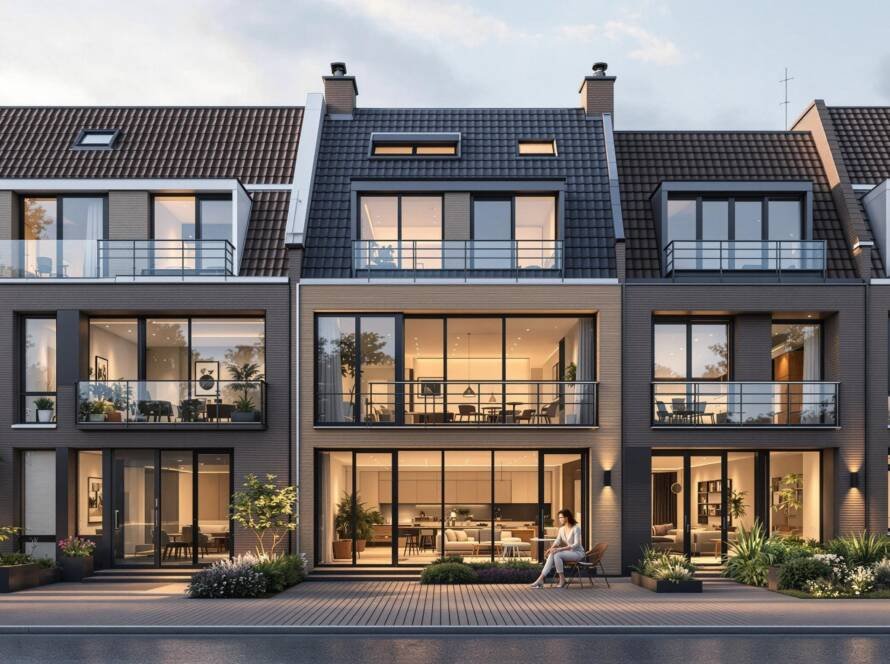
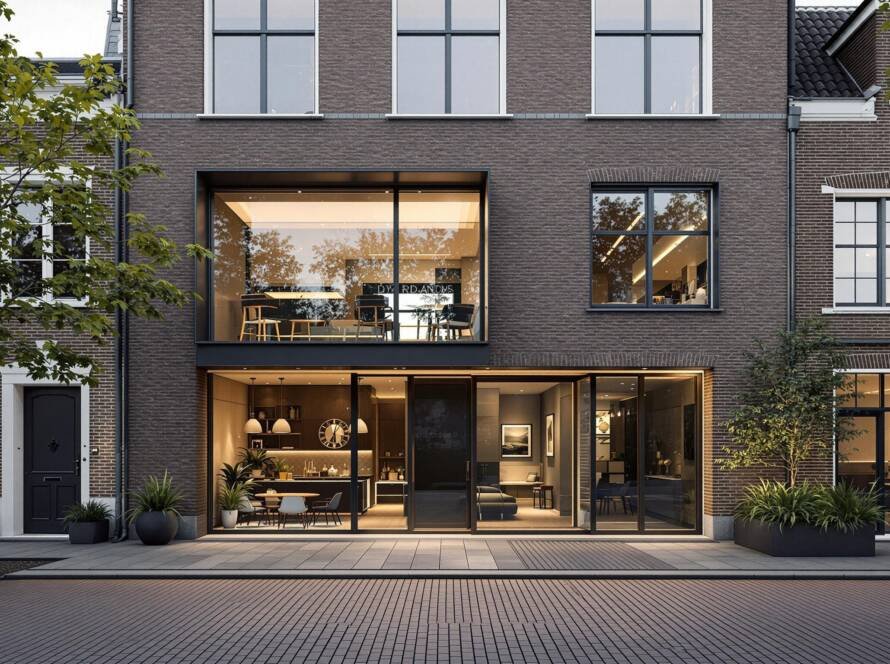
Sliding doors shape light, space, and comfort. In the Netherlands, they also battle wind, rain, and busy streets. Choose well, and you gain warmth, quiet, and a clean look. Choose poorly, and you invite drafts, leaks, and sticky tracks. This guide explains how to pick sliding door systems Netherlands homeowners trust, with clear steps for planning, specification, and sliding door installation Netherlands realities.
Basic Concepts
Lift-and-slide: A handle lifts the sash off the seals to glide smoothly, then drops to lock airtight. Suited to large openings. Inline sliding: Panels slide without lifting; simpler but less airtight under wind. Top-hung: Rollers above, clear threshold. Bottom-rolling: Load on the floor track; common for big glass. Pocket door: Panel disappears into a wall cavity. Threshold: Bottom profile you step over; affects drainage and accessibility.
Fit for the Dutch Climate and Rules
Coastal wind, driving rain, and urban noise set the bar. Look for tested air permeability, water tightness, and wind resistance per European standards. Favor low thresholds that stay watertight; add hidden drains where paving meets the sill. For energy, target low U-values, warm-edge spacers, and argon or triple glazing to meet modern Dutch efficiency goals. If you alter the façade, a permit (omgevingsvergunning) may be required; apartments also need VvE approval. Plan first; avoid delays later.
Materials and Finishes
- Aluminium: Slim sightlines, durable, thermally broken. Good for large spans and coastal zones with the right coating.
- Timber: Warm look, renewable. Specify engineered wood, FSC certification, and factory finishes. Maintain on schedule.
- uPVC: Cost-effective, low maintenance. Choose reinforced frames for bigger panels and dark colors with care.
- Composite: Wood-aluminium or fiberglass blends offer stiffness and reduced upkeep.
Glass and Performance
Select glazing for light without glare. Use low‑e coatings tuned to orientation. South and west benefit from solar control; north favors higher solar gain. For city streets or rail lines, aim for 38–42 dB sound reduction with laminated panes. Safety glass is a must in doors. For security, multi-point locks, anti-lift devices, and SKG-rated hardware align with common Dutch expectations.
Operation, Thresholds, and Drainage
Big panels need robust rollers and stable frames. Lift-and-slide mechanisms carry weight with little force. Soft-close catches tame momentum. A flush threshold improves accessibility but demands meticulous water management: slope exterior paving away, integrate drainage channels, and separate interior from exterior with thermal breaks to prevent condensation.
Space, Aesthetics, and Color
Decide what matters: widest opening, thinnest mullions, or best insulation. Two-panel sliders are simple; three-panel designs can stack for a wider clear width. Pocket sliders free wall space inside. Match exterior RAL colors to the façade; keep interior tones neutral to frame views. Choose handles that work with Dutch sliding doors wearing gloves in winter and small hands alike.
Installation and Detailing in the Netherlands
Great products fail with poor detailing. Specify continuous air and vapor control around the frame. Use thermal brackets at the reveal, not solid concrete alone. Isolate aluminium from masonry in coastal areas to avoid corrosion. Verify sill height against local rainfall intensity and wind exposure. Document tolerances, sealing layers, and drainage paths before work starts to keep choosing sliding doors NL aligned with on-site reality.
Costs and Lifespan
The best sliding doors Netherlands choices balance price with performance. Budget for quality hardware, heavy-duty rollers, and certified glazing. Consider total cost: energy savings, maintenance, and the value of quiet and comfort over decades.
Practical Tips
- Define priorities: thermal, acoustic, span, or sightline. Rank them and decide accordingly.
- Match system type to opening size: use lift-and-slide for large, windy exposures; inline for moderate spans.
- Target low U-values and appropriate solar control per orientation; tune glass to the façade.
- Demand documented ratings for air, water, and wind; verify they suit your location.
- Plan a flush threshold only with proven drainage and correct exterior slopes.
- Specify multi-point locking, anti-lift, laminated safety glass, and SKG-rated hardware.
- Detail airtight layers and thermal breaks around frames; prevent condensation and drafts.
- Confirm permit needs early for façade changes and coordinate with the VvE if applicable.
Conclusion
Choosing Dutch sliding doors is a design, climate, and performance puzzle. Solve it by aligning system type, material, glazing, and detailing with Dutch weather and building practice. Focus on tested performance, smart drainage, and clear priorities. Do this, and sliding door systems Netherlands become a daily upgrade: warmer winters, cooler summers, quieter rooms, and a view that works year-round.