How to Select the Best Window Treatments for Dutch Interiors
Introduction
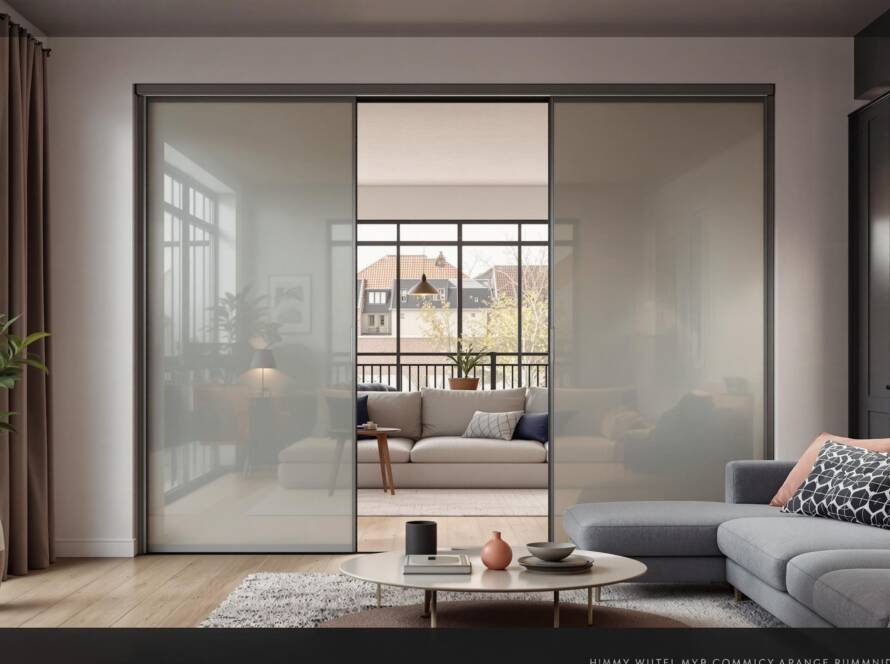
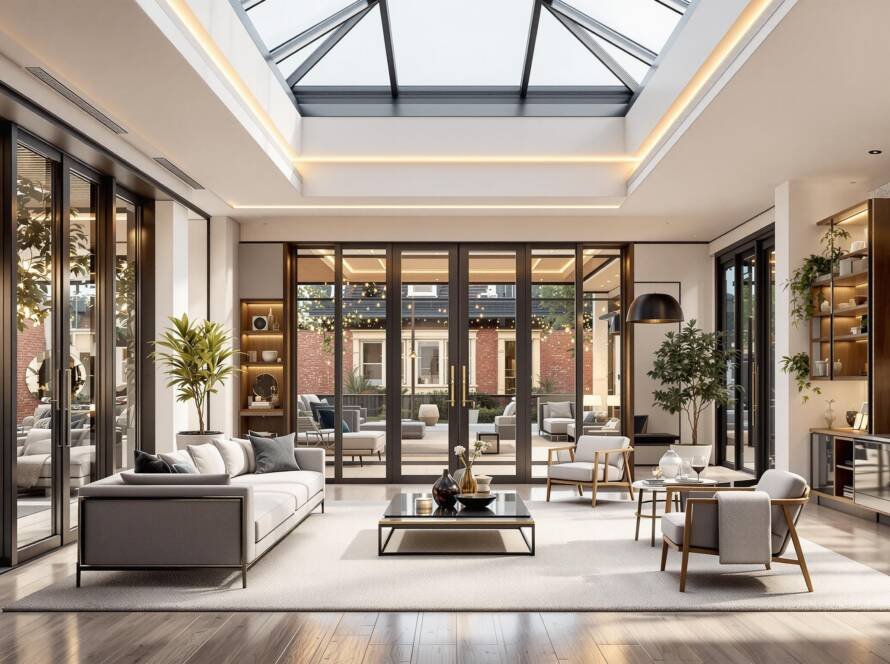
In the Netherlands, daylight is a prized asset and privacy is often a street-level concern. Smart window treatments balance both. Use them to control glare on long summer evenings, keep warmth inside on cold, windy days, and frame the clean, modern lines of Dutch design. This guide explains how to choose window treatments Netherlands homeowners can rely on for comfort, efficiency, and style.
Basic concepts
Window treatments include blinds, shades, curtains, shutters, and films. Each controls light, privacy, and heat in a different way. Think in layers: a functional layer for performance and a soft layer for acoustics and atmosphere. When choosing curtains NL residents should consider five factors: light control, privacy, insulation, moisture resistance, and maintenance. Match these to the room and the window type common in Dutch homes, including tilt-and-turn frames and tall facade windows.
Read the Dutch context first
- Orientation and glare: South and west facades need strong glare control; north needs more daylight transmission.
- Privacy at street level: Narrow streets put neighbors close; filter views without killing daylight.
- Insulation: Coastal winds and damp winters reward fabrics and constructions that cut drafts.
- Building limits: Apartments with VvE rules or monument status may restrict exterior changes; plan interior solutions.
- Window mechanics: Allow clearance for tilt-and-turn openings and deep HR++ frames.
Compare window covering options Netherlands
- Dutch interior blinds (venetian): Precise control of view and light. Aluminium suits kitchens; wood warms living areas. Use fine slat widths for narrow windows and larger slats for broad views.
- Roller blinds: Clean and minimal. Choose openness factors: about 1 percent for privacy and glare control, 3 to 5 percent for balanced daylight. Blackout versions suit bedrooms when combined with side channels.
- Duo/Day-night (zebra): Alternate sheer and opaque bands to tune privacy on busy streets without raising the blind.
- Plissé and honeycomb (duette): Compact folds fit tight reveals. Honeycomb cells add thermal comfort by trapping air, useful for drafty frames.
- Roman shades: Soft look with clear stacking. Lined versions improve insulation and room darkening.
- Sheer and in-between curtains: Soften light, hide views, and improve acoustics in hard-floored Dutch interiors.
- Shutters: Robust privacy and light control. Use moisture-resistant finishes in bathrooms and kitchens.
Materials, sustainability, and safety
Prioritize durable, easy-clean fabrics in busy households. Consider recycled polyester or linen blends for sustainable, stylish window dressings Netherlands homes appreciate. Look for low-VOC coatings and verified fire-retardant options in apartments. Specify cordless or tensioned systems where children are present. In wet rooms, select mildew-resistant textiles and finishes that resist warping.
Performance: light, heat, and acoustics
- Light: Define tasks per room. Filter in living spaces, dim in media zones, darken in bedrooms.
- Heat: Use multilayer setups—blind plus lined curtain—to reduce drafts around older frames.
- Acoustics: Add mass and texture. Floor-length curtains over blinds cut echo and improve comfort.
Style for Dutch interiors
- Keep lines clean. Align headers, use discreet brackets, and match hardware to frames.
- Choose calm palettes—sand, grey, off-white—with a single contrast tone in trims or tapes.
- Layer with intent: a functional blind in the recess, a full-height curtain outside for warmth and presence.
Practical tips
- Map each room’s priorities: privacy by day, darkness by night, or all-day filtering.
- Plan precise clearances for tilt-and-turn windows and deep sills common in NL housing.
- Select openness and fabric density by facade orientation and street exposure.
- Specify moisture-resistant solutions in bathrooms and kitchens near the North Sea climate.
- Combine honeycomb shades with lined curtains for insulation in older canal houses.
- Use top-down bottom-up systems to protect privacy on ground floors without losing sky light.
- Integrate smart control for consistent shading during heatwaves and energy savings in winter.
- Ensure child-safe operation with concealed or cordless mechanisms.
- Plan cleaning access for tall windows; choose dust-shedding finishes in urban settings.
Conclusion
Choose window treatments Netherlands homes can trust by matching daylight, privacy, and insulation to each room and facade. Favor layered solutions, durable materials, and child-safe operation. Keep the look simple and the function exact. With clear priorities and thoughtful specification, Dutch interior blinds, shades, and curtains deliver comfort, efficiency, and a calm, modern Dutch aesthetic.