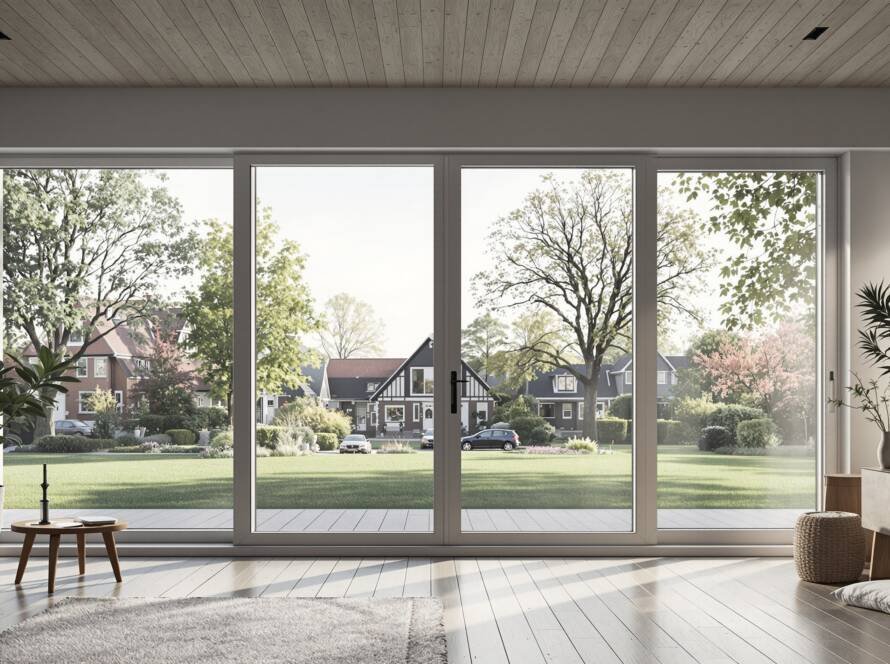
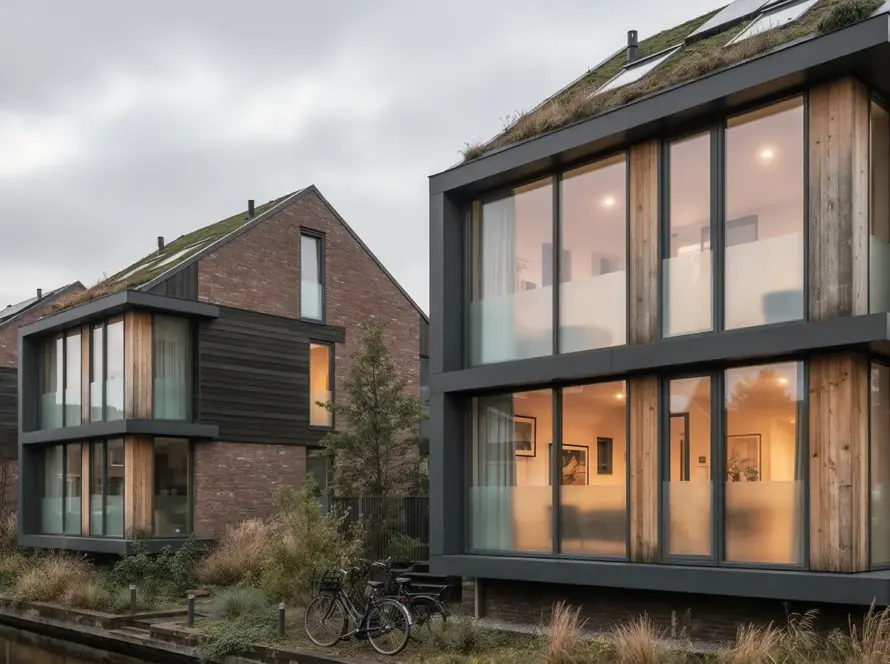
In the Netherlands, where efficient space utilization and energy conservation are paramount, home extensions are a popular way to enhance living environments. Beyond adding square footage, a well-designed extension can dramatically improve the comfort and ambiance of your home, and perhaps no single element contributes more to this transformation than natural light. This article will delve into the art and science of optimal window placement in Dutch home extensions, exploring strategies to flood your new spaces with light, reduce energy consumption, and create truly inviting interiors.
Basic Concepts of Natural Light and Window Placement
Before we explore specific strategies, let’s define some fundamental concepts critical to understanding optimal window placement.
What is Natural Light?
Natural light, often referred to as daylight, is simply light from the sun. In architecture, harnessing natural light involves designing spaces that maximize its entry and distribution. It significantly impacts our mood, productivity, and overall well-being, making it a highly desirable feature in any home.
Types of Natural Light
- Direct Light: Unobstructed sunlight, often intense and associated with heat gain.
- Diffused Light: Light scattered by clouds, reflections, or translucent materials, providing softer, more even illumination.
- Reflected Light: Light bouncing off surfaces like walls, floors, or external elements, contributing to ambient brightness.
The Importance of Window Placement
Window placement is not merely about creating openings in walls; it’s a strategic design decision that influences a multitude of factors within your home extension, including:
- Illumination: The primary goal – ensuring adequate light levels throughout the day.
- Thermal Performance: Managing heat gain in summer and heat loss in winter.
- Ventilation: Facilitating airflow and natural cooling.
- Views: Connecting indoor spaces with the external environment.
- Privacy: Balancing light access with the need for seclusion.
- Aesthetics: Contributing to the overall architectural character of the extension.
Strategic Window Placement for Dutch Home Extensions
The Netherlands presents unique considerations for window placement due to its often compact urban landscapes, specific building regulations, and sometimes challenging weather patterns. Consider these strategies when planning your extension.
Orientation: Harnessing the Sun’s Path
The cardinal direction your extension faces is perhaps the most critical factor in window placement. Understanding the sun’s path throughout the day and across seasons in the Netherlands is fundamental.
North-Facing Windows
North-facing windows provide the most consistent, diffused light throughout the day. This is ideal for spaces requiring steady, glare-free illumination, such as home offices, art studios, or kitchens. While they offer less direct sunlight for warmth, they are excellent for avoiding overheating in summer.
East-Facing Windows
East-facing windows bring in the bright, refreshing morning sun. This is perfect for breakfast nooks, bedrooms, or living areas where you appreciate an energetic start to the day. Be mindful of potential glare in the early hours.
South-Facing Windows
South-facing windows receive the most direct sunlight throughout the day, particularly during winter. This makes them excellent for maximizing passive solar gain, reducing heating costs. However, in summer, careful shading strategies (e.g., overhangs, awnings, external blinds) are crucial to prevent overheating and excessive glare. Large south-facing windows are often ideal for living rooms or conservatories in the Netherlands.
West-Facing Windows
West-facing windows capture the evening sun, often intense and warm, creating a beautiful golden glow. This can be appealing for dining areas or evening lounges. However, like south-facing windows, they require significant shading to mitigate heat gain and glare, especially during long summer evenings.
Window Sizing and Proportions
The size and proportion of your windows directly impact the amount and quality of light entering your extension. Larger windows obviously let in more light, but balance is key.
Floor-to-Ceiling Windows
These expansive windows offer maximum light penetration and blur the lines between indoor and outdoor spaces, creating a sense of openness. They are particularly effective in extensions designed to overlook gardens or attractive views. Ensure to use high-performance glazing to prevent heat loss.
Transom Windows (Bovenlichten)
Positioned high on a wall, often above doors or other windows, transom windows allow light to penetrate deep into a room while maintaining privacy at eye level. They are excellent for urban extensions where direct views might be limited or privacy is a concern.
Corner Windows
Corner windows create a dramatic visual impact and provide multi-directional light. They can make a room feel larger and more open, offering unique perspectives of the exterior. Pay attention to structural considerations when designing these features.
Strategic Placement within the Room
Beyond orientation and size, consider the precise placement of windows within the interior layout of your extension.
Cross-Ventilation Opportunities
Positioning windows on opposite walls facilitates excellent cross-ventilation, essential for naturally cooling your home during warmer months in the Netherlands. Integrate small openings for trickle ventilation even when windows are closed.
Light Distribution and Reflection
Consider how light will bounce off interior surfaces. Lighter walls and ceilings will reflect more natural light, distributing it further into the room. Avoid placing critical work surfaces or television screens directly opposite large, unshaded windows to minimize glare.
Integration with Existing Home
Think about how the new extension’s windows will interact with the light in the existing part of your home. Can the extension bring more light into a previously dark area of your original house? Architectural openings between the old and new structures can facilitate this.
Overcoming Challenges in Dutch Urban Environments
Dutch homes, especially in urban areas, often face specific challenges when it comes to maximizing natural light.
Overlooking and Privacy
With closely packed houses, privacy is a major concern. Utilize high-level windows, obscure glazing, carefully positioned shutters, or strategically planted greenery to maintain privacy without sacrificing light. Consider light tunnels or sun tubes for areas where conventional windows are not feasible due to privacy or external obstructions.
Narrow Plots
Many Dutch properties are long and narrow. In such cases, side-facing windows might be limited by boundary lines or neighbouring properties. Focus on maximizing light from the front and rear facades, and explore skylights or roof lights for central areas.
Conservation Areas and Regulations
If your property is in a protected or conservation area, specific rules regarding external appearance and fenestration may apply. Consult with your local municipality (gemeente) early in the design process to understand any limitations on window size, style, or material. This is crucial for avoiding costly redesigns.
Materials and Technology for Optimal Window Performance
Selecting the right materials and technologies for your windows is just as important as their placement.
Glazing Technology (Glas)
The type of glass used in your windows significantly impacts their thermal performance and light transmission.
- HR++ Glass (High-Efficiency Double Glazing): This is the standard for modern energy-efficient homes in the Netherlands. It features a special coating that reflects heat back into the room and an inert gas (like argon) filling the gap between the panes, significantly reducing heat loss.
- HR+++ Glass (Triple Glazing): For even greater thermal insulation, especially in very large window installations or in colder climates, triple glazing offers superior performance. It features three panes of glass with two gas-filled cavities.
- Solar Control Glass: For large south or west-facing windows, solar control glass can help manage heat gain by reflecting or absorbing a portion of the sun’s energy, keeping interiors cooler in summer.
- Self-Cleaning Glass: A practical option for hard-to-reach windows, this glass has a coating that uses sunlight to break down organic dirt, which then washes away with rain.
Window Frames (Kozijnen)
The frame material impacts insulation, durability, and aesthetics.
| Material | Pros | Cons | Typical Use in NL |
|---|---|---|---|
| Timber (Hout) | Excellent insulation, natural aesthetic, durable if maintained, environmentally friendly. | Requires regular maintenance (painting/staining), can be more expensive. | Traditional and period homes, high-end new builds. |
| uPVC (Kunststof) | Cost-effective, low maintenance, good insulation, wide range of colours. | Less robust aesthetically for some, can discolour over time with poor quality. | Modern extensions, budget-conscious renovations. |
| Aluminium | Very durable, slender frames (maximum glass area), low maintenance, modern aesthetic. | Higher cost, can conduct heat (requires thermal breaks), less insulating than timber. | Contemporary extensions, large glazing sections, sliding doors. |
| Timber-Aluminium | Best of both: aluminium exterior (low maintenance), timber interior (insulation, warmth). | Highest cost. | Premium extensions, high-performance designs. |
Control Mechanisms (Zonwering)
External and internal shading solutions are crucial for managing light, heat, and privacy.
- Overhangs and Awnings: Effective for blocking high summer sun while allowing lower winter sun to penetrate.
- External Blinds (Buitenzonwering): Highly effective at preventing solar gain by stopping heat before it enters the glass. Available in various forms, including roller shutters (rolluiken) and screens.
- Internal Blinds and Curtains (Binnenzonwering): Offer flexibility for glare control and privacy, but less effective at preventing heat gain than external options.
- Smart Glass: Electronically tintable glass that can change opacity, offering dynamic control over light and privacy.
Practical Tips for Your Dutch Home Extension Project
Embarking on a home extension project requires careful planning and execution. Keep these practical tips in mind.
- Start with a Professional Design: Collaborate with an architect (architect) or a building designer (bouwkundig ingenier) early in the process. They possess the expertise to analyze your site, understand local regulations, and translate your vision into an optimal design. Do not attempt complex structural changes without professional input.
- Understand Local Planning Regulations (Omgevingsvergunning): Before any construction, investigate the specific building permits (omgevingsvergunning) required in your municipality. Regulations vary concerning extension size, height, proximity to property lines, and appearance. Failure to comply can lead to significant delays and penalties.
- Prioritize Insulation: In the Netherlands, excellent insulation (isolatie) is non-negotiable due to energy efficiency standards and climate. Ensure all new walls, roofs, and floors in your extension are well-insulated. High-quality windows are part of this insulation envelope.
- Consider Ventilation Strategies: Beyond opening windows for cross-ventilation, explore mechanical ventilation systems (ventilatiesystemen) with heat recovery (WTW-installatie) to ensure continuous fresh air without significant heat loss, especially important in tightly sealed modern extensions.
- Think Long-Term Energy Performance: While initial costs might be higher for superior glazing or insulation, calculate the long-term savings on energy bills. The Dutch government often provides incentives or subsidies (subsidies) for energy-efficient renovations, so research these possibilities.
- Research Reputable Contractors: Solicit bids from several reputable building contractors (aannemers) experienced in home extensions in the Netherlands. Check references, review their portfolio, and ensure they are registered and insured. A detailed contract outlining scope, timeline, and payment schedule is essential. Do not agree to large upfront payments.
- Factor in Budget Contingencies: Always allocate an additional 10-15% of your total budget for unforeseen circumstances or desired upgrades during construction. This is a realistic approach to managing building projects.
- Plan for Interior Finishes Early: Decide on your interior finishes, such as flooring, wall colours, and built-in furniture, concurrently with the window placement. These elements influence how light is reflected and absorbed within your new space.
Conclusion
Maximizing natural light in your Dutch home extension is a strategic investment that pays dividends in comfort, energy efficiency, and overall well-being. By thoughtfully considering orientation, window sizing, precise placement, and utilizing advanced glazing technologies, you can transform a simple addition into a radiant, inviting haven. Remember, the journey towards your ideal home extension begins with professional advice and a clear understanding of your specific needs, always in line with the unique opportunities and regulations of building in the Netherlands. Embrace the light, and watch your home transform.