Introduction
Dutch homes tell their story through windows and doors. From canal houses to new-build extensions, openings shape light, comfort and character. Understanding Dutch window design history and the door design evolution NL helps you renovate with confidence, whether you restore a monument or upgrade a post-war row house. For Dutch residents planning house renovations, make choices that respect heritage, meet today’s performance standards and support future value.
Basic Concepts
Kozijn: the frame that holds glass or a door. Bovenlicht: a transom above a door or window, key to daylight and ventilation. U-value: heat loss through glazing; lower is better. HR++/triple: high-performance glazing classes. Draai-kiep: tilt-and-turn hardware. Schuifpui: sliding patio door. These basics anchor choices from traditional to modern windows Netherlands.
From Heritage to High Performance
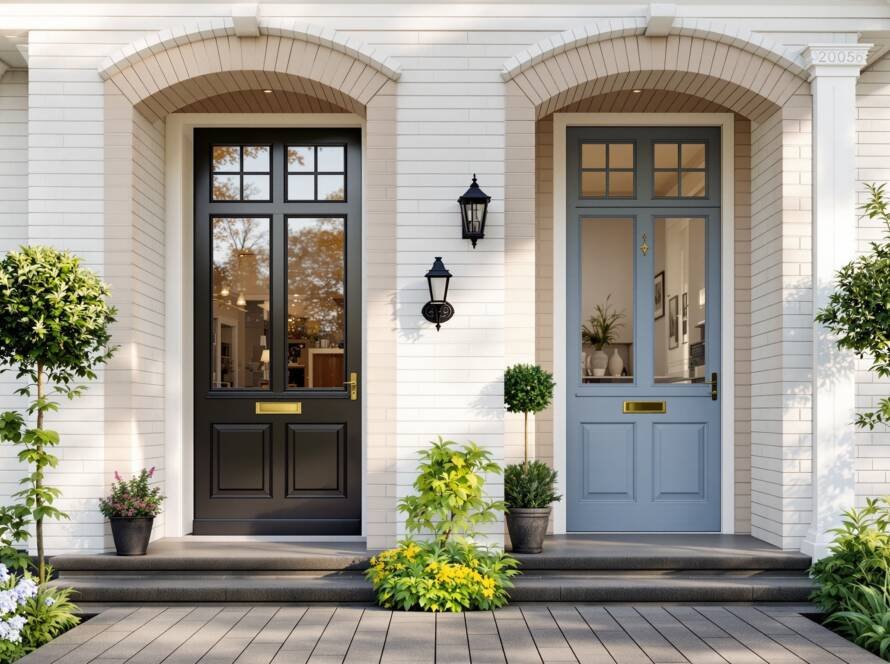
Early Dutch architectural styles favored tall, narrow openings that captured daylight on dense streets. The kruiskozijn evolved into vertical sash and the iconic stolpraam with slim muntins. Doors paired with carved panels and bovenlichten guided light deep into halls. Post-war rebuilding introduced wider openings, simple frames and standard sizes. Today, large panes, thermal breaks and airtight seals redefine comfort without losing character. That arc captures Dutch window design history and frames how you plan a sensitive renovation.
Materials and Profiles
- Timber: classic, repairable and ideal for monuments. Modern softwoods and modified woods (e.g., acetylated) deliver stability and long service life.
- Aluminium: slim sightlines, durable finishes, strong for big spans with thermal breaks.
- Steel: ultra-slim profiles for internal partitions and statement entrances; add thermal solutions for exterior use.
- uPVC: cost-effective and low maintenance; current designs offer finer proportions than older generations.
Match profile depth and muntin geometry to the façade. Keep reveals and sill details consistent to preserve rhythm.
Regulation, Heritage and Comfort
- Meet energy rules with HR++ or triple glazing, warm-edge spacers and insulated thresholds.
- Provide controlled ventilation via trickle vents or bovenlichten; size openings for purge airflow.
- In monuments, retain visible proportions; use slim double or secondary glazing where required.
- In noisy streets, specify acoustic laminated glass and sealed frames.
Extensions and Renovations in Context
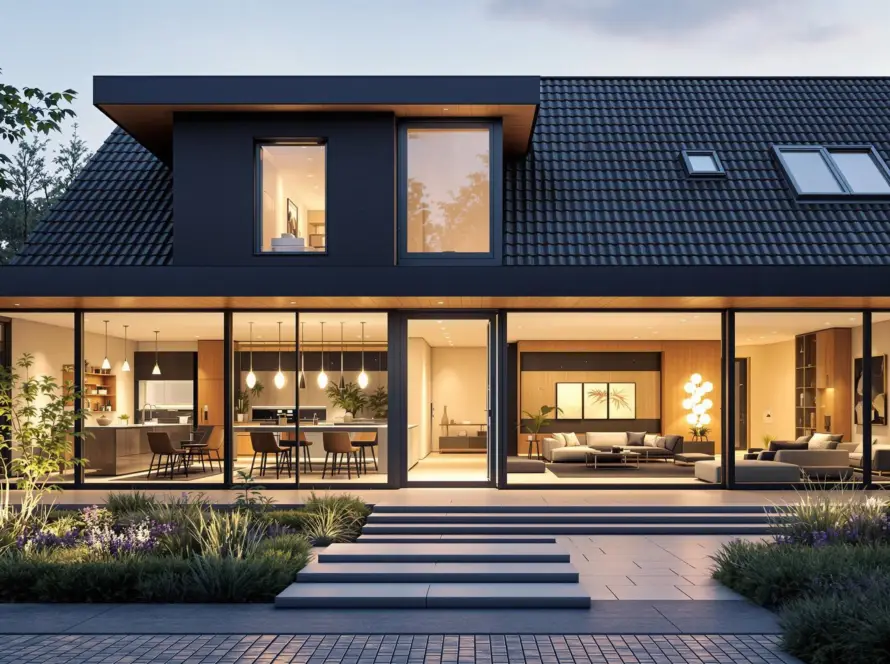
For a rear extension, align window heads with existing lines to keep cohesion. Consider a schuifpui or slim bi-fold to connect garden and kitchen. On dormers, echo neighboring sash rhythms but upgrade to tilt-and-turn mechanics inside. Choose colors that fit Dutch streetscapes: deep greens, oxblood, or contemporary anthracite remain popular. This balance from traditional to modern windows Netherlands keeps value steady.
Current Window and Door Trends Netherlands
- Minimal frames and larger clear panes for daylight and solar gain control.
- Textured, matte finishes; natural timber with light stains.
- Steel-look internal doors for flexible living zones.
- Smart locks, concealed hinges and integrated shading.
- Solar-control and privacy glass for urban comfort.
Practical Tips
- Define the building’s era; mirror its proportions before changing materials.
- Prioritise daylight modeling; size openings to orientation and street width.
- Select glazing by façade: higher g-value north, solar control south and west.
- Preserve bovenlichten; use them for night ventilation and stack effect.
- Keep sill heights consistent across elevations to calm the composition.
- Plan airtightness with a serviceable maintenance strategy; balance seals with ventilation.
- Specify hardware for coastal exposure where needed; choose durable coatings.
- Coordinate structural spans early; align mullions with beams to avoid bulky solutions.
- Confirm permit needs for street-facing changes and heritage façades before final design.
- Phase installation to protect interiors; sequence wet trades before frame set-out.
Conclusion
Windows and doors are the interface between Dutch architectural styles and modern living. Honor proven proportions, boost performance and design for maintenance. When you plan an extension or a full renovation, let form follow function, and let detail follow the street. That is the clear path through the door design evolution NL and a confident step toward a brighter, warmer Dutch home.