Introduction
In Dutch renovations and extensions, windows and doors do more than admit light and provide access. They set the rhythm of rooms, govern privacy, and channel Dutch home energy flow. Apply window placement Feng Shui Netherlands wisely and you boost comfort, clarity, and resale value. In narrow plots, terraced streets, and canal-side homes, Feng Shui design windows and doors Netherlands aligns with good building logic: light where you live, quiet where you rest, and smooth movement through the plan.
Basic concepts
- Qi (energy flow): The felt ease of moving, breathing, and seeing in a space. In practice, it means clear sightlines, balanced daylight, and agreeable air paths.
- Mouth of qi: The main door. It frames first impressions and sets the tone for the home.
- Command position: A seat or bed with a supportive wall behind, a broad view ahead, and no direct alignment with doors.
- Balance: Avoid extremes: glare vs gloom, drafts vs stillness, openness vs exposure.
Orientation and Dutch context
Netherlands light is soft, skies shift fast, and winds sweep in from the North Sea. South and west facades can overheat in summer; north can feel dim in winter. In complete house renovations, place major windows to the south-east for bright mornings and stable warmth, and temper west light with depth, reveals, or exterior shading. Along canals or dense streets, protect privacy without killing daylight by using higher sill windows or layered glazing. Aim for harmonious home layouts Netherlands that read the street, garden, and sky together.
Windows: size, alignment, and comfort
- Proportion and height: Keep heads of windows aligned across a wall to calm the eye. Use taller, narrower panes on narrow facades to stretch space visually.
- Daylight without glare: Mix view windows with clerestory bands to bounce light deep into rooms. In living zones, place primary glazing opposite a solid wall to create visual depth and stable qi.
- Thermal and acoustic balance: Use HR++ or triple glazing to quiet the street and stabilise temperature; balanced qi feels steady, not drafty.
- Ventilation paths: Enable controlled cross-ventilation with offset openings; avoid doors and windows facing each other in a straight shot that creates harsh, rushing air.
Doors: entrance, flow, and privacy
- Main door positioning NL: Let the entrance open to a calm pause, not a staircase or a direct line to the back door. Create a foyer zone that collects and diffuses energy.
- Internal door logic: Stagger opposing doors between rooms to prevent “corridor gusts.” When a bathroom or storage door sits near a living area, recess it or align it with cabinetry for visual quiet.
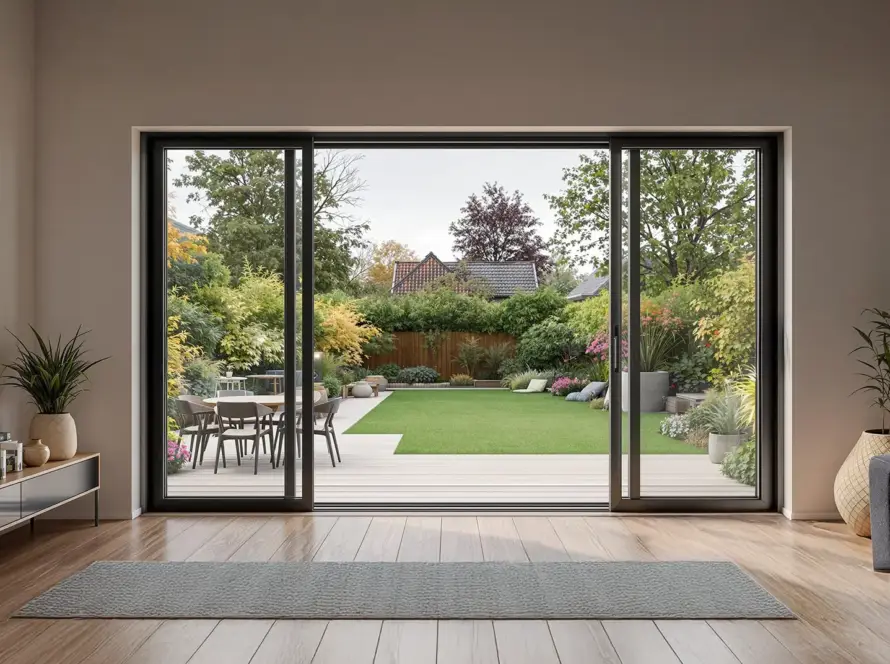
- Back-garden connection: In rear extensions, use wide but framed openings. Break long sliders with mullions to give scale and reduce the tunnel effect.
Extensions and Dutch typologies
Row-house rear extensions are common. Keep circulation at one side and open living at the garden to carry light forward. In a dormer or rooftop addition, position windows to frame sky and distance while shielding beds from direct door alignment. For corner houses, balance two street fronts with one primary entrance and a secondary door that serves service functions without stealing attention.
Materials, mood, and trends
- Frames and finishes: Choose warm-touch materials for frames and sills; they read as supportive and reduce the hard edge of large glazing.
- Shading and privacy: Integrate exterior screens or deep reveals to manage Dutch low sun angles; maintain views while softening contrast.
- Current trends, wisely tuned: Floor-to-ceiling glass, pivot doors, and steel-framed partitions look sharp. Use them with layered lighting and acoustic care so bold lines do not create sharp qi.
Practical tips
- Map the sun and wind for your plot; let the main living window face stable light and your entrance face shelter.
- Place the main door to reveal a composed view, not a corridor; stage a pause with space, not furniture.
- Align window heads; vary widths with intent to guide the eye from public to private zones.
- Offset front and back doors; if both must align, slow the path with a change in floor material or ceiling height.
- Give beds and sofas a solid wall and a diagonal to a window; keep them out of direct door lines.
- Use high-performance glazing to quiet city noise; let fresh air come from controlled, offset openings.
- In rear extensions, frame the garden with proportion, not only span; add depth at the threshold to temper energy.
- In bathrooms and storage, tuck doors out of major sightlines; keep the main living axis clean.
Conclusion
Window placement Feng Shui Netherlands and thoughtful door positioning NL turn renovation choices into everyday ease. By reading light, wind, and street life, and by scaling openings to support rest, work, and welcome, you create Feng Shui design windows and doors Netherlands that feel grounded yet bright. The result is simple: harmonious home layouts Netherlands that look good, work hard, and breathe well through Dutch seasons.