Introduction
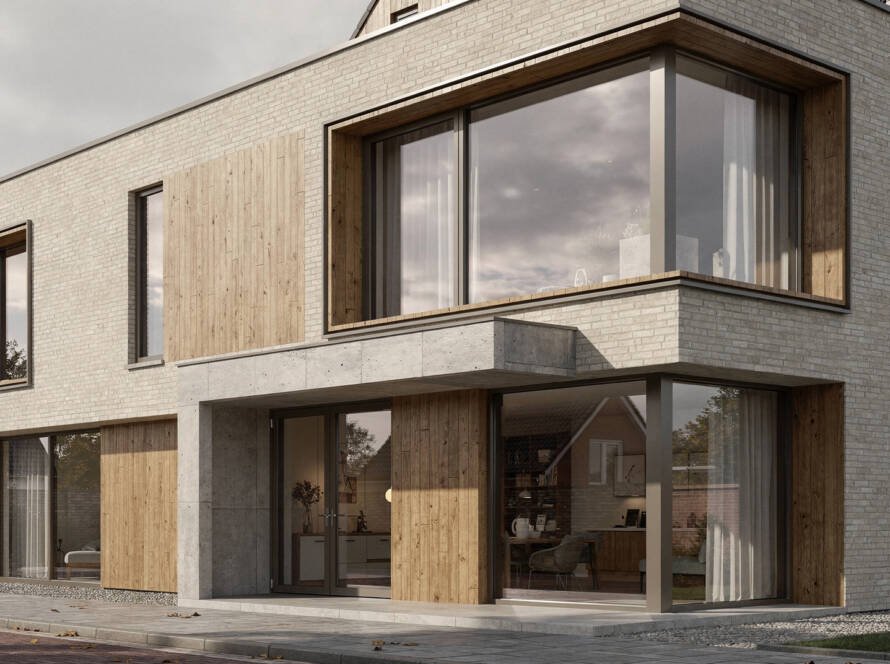
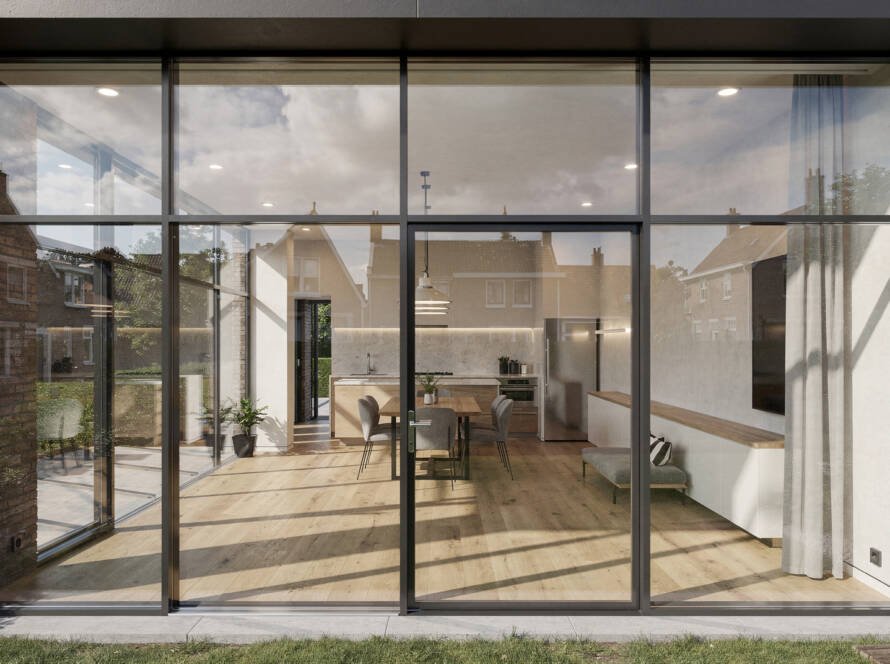
In Dutch home design, window placement shapes how rooms feel, function, and perform across the year. With low winter sun, long summer evenings, dense urban blocks, and frequent overcast skies, smart daylighting strategies Netherlands can transform comfort and energy use. Plan openings to balance brightness, privacy, and overheating, and you improve well-being, value, and compliance in renovations and extensions throughout the Netherlands.
Basic concepts
- Window orientation Netherlands: The sun path is low in winter and higher in summer; orientation sets light quality and heat gain.
- Visible Light Transmittance (VLT): How much light glazing admits; higher VLT brightens interiors.
- Solar gain (g-value): How much solar energy passes through; control this to limit summer overheating.
- U-value: Thermal performance; lower numbers reduce heat loss common in windy, maritime climates.
- Glare: Excessive contrast or direct sun on tasks; design to diffuse or redirect.
- Reflectance: Light surfaces brighten deep plans by bouncing daylight inward.
- Regulation: The Dutch Bbl sets daylight access requirements; ensure rooms intended for regular use meet them.
Orientation drives light quality
- North: Soft, even light with minimal glare; ideal for studios, kitchens, and work zones needing consistent brightness. Expect limited passive heat, so prioritize insulation and airtight frames.
- South: Abundant winter sun and potential summer gains; combine larger glazing with external shading (screens or overhangs) to temper peak hours.
- East: Clear morning light that supports circadian rhythm and breakfast routines; reduce low-angle glare near seating.
- West: Warm evening light but higher risk of glare and overheating; specify selective glazing and controllable shading.
In window placement Netherlands, remember that coastal winds and driving rain often hit west façades; durable detailing and drainage protect frames and sills.
Urban context and extensions: getting light deep into narrow plans
Row houses and canal-side plots create long, narrow interiors. Rear extensions can unintentionally darken the original rooms. Use layered daylighting strategies Netherlands to pull light inward without sacrificing privacy.
- Rooflights and dakkapellen: Capture high-quality zenith light to brighten center zones; angle shafts to diffuse and prevent glare.
- Clerestories and light-rails: Slot high windows above eye level in extensions to deliver light while preserving wall space.
- Courtyards and lightwells: Introduce compact patios or voids to split depth and create dual-aspect rooms.
- Glazed internal partitions: Borrow light between rooms; specify acoustic glass where privacy matters.
- Plan depth and function: Place storage, baths, or utility deeper; keep living areas adjacent to primary façades.
Materials and detailing that matter
For natural light optimization NL, pair high-VLT low-e glazing with frames that suit the Dutch climate. Timber offers warmth and repairability; aluminium delivers slim sightlines; PVC provides cost-effective thermal performance. Use warm-edge spacers to limit condensation on cold mornings. Combine external screens with light-colored reveals and ceilings to lift daylight factor. Integrate trickle vents and controlled ventilation to manage humidity without drafts.
Comfort, energy, and compliance
Bright rooms reduce artificial lighting loads and support well-being, but overheating risk is real in well-insulated homes. Balance g-value, shading, and ventilation to meet energy goals like BENG while delivering visual comfort. Validate that habitable rooms satisfy Bbl daylight provisions and local design guidance, especially in protected streetscapes and monuments where façade changes face stricter review.
Practical tips
- Prioritize south and east glazing for living spaces; reserve west for views managed by shading.
- Limit deep floorplates without a daylight break; add a rooflight or courtyard when extending.
- Choose high-VLT glass where heat gain is low, and solar-control glass where gains are high.
- Specify exterior shading that you can modulate through the day; avoid permanent darkness.
- Use tall, narrow windows on tight plots to admit light while guarding privacy.
- Paint reveals and ceilings in light tones; increase reflectance to push light deeper.
- Protect west façades against wind-driven rain with robust seals, drips, and sill geometry.
- Confirm daylight access against Bbl early in design; adjust window size or position before structural work.
- Place work surfaces perpendicular to windows to reduce screen glare and improve task light.
- Plan for maintenance access to rooflights and shades; keep performance consistent over time.
Conclusion
Window orientation Netherlands is the quiet engine behind comfortable, efficient homes. When you tune placement, size, glazing, and shading to Dutch skies, urban grain, and regulations, you unlock brighter rooms, calmer temperatures, and better layouts. Treat daylight as a building material in every renovation and extension, and let it set the structure, not merely fill the holes.