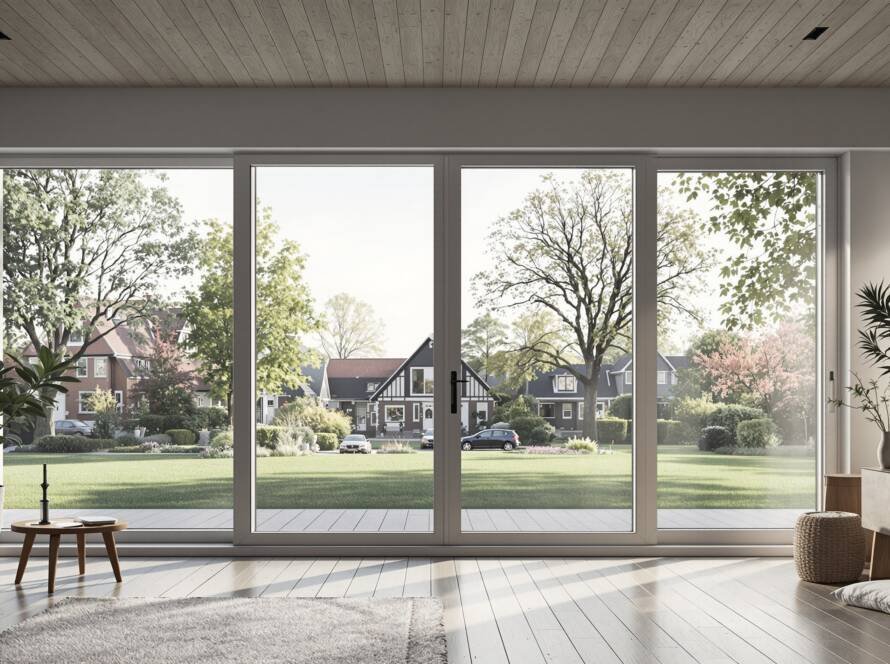
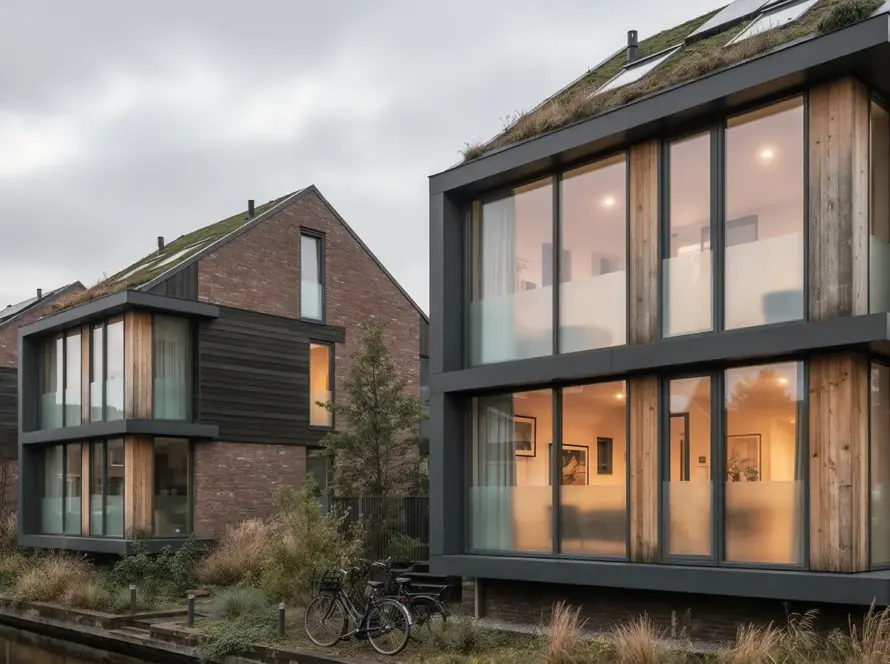
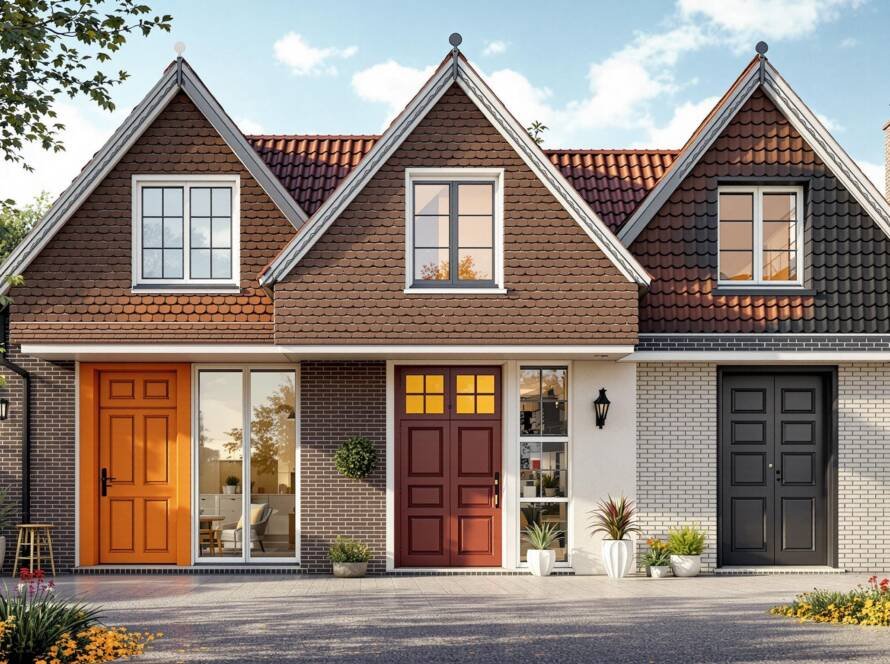
In the evolving landscape of sustainable construction and house renovations in the Netherlands, the concept of a Passive House has garnered significant attention. This highly energy-efficient building standard prioritizes comfort, indoor air quality, and minimal ecological footprint. At the core of achieving Passive House certification, particularly within the distinct Dutch climate, lie two fundamental yet often underestimated components: windows and doors. These seemingly unassuming elements play a pivotal role in dictating a building’s thermal performance, airtightness, and overall energy balance. For Dutch residents considering a new build, an extension, or a comprehensive renovation, understanding the intricate relationship between high-performance fenestration and the Passive House ethos is paramount.
Basic Concepts: Unpacking Passive House Principles
Before delving into the specifics of windows and doors, it’s crucial to grasp the foundational principles that define a Passive House. This standard isn’t merely about adding insulation; it’s a holistic approach to building design and construction that aims for extreme energy efficiency, often reducing heating and cooling demands by up to 90% compared to conventional buildings.
What is a Passive House?
A Passive House (Passivhaus in German) is a rigorously defined standard for energy efficiency that results in ultra-low energy buildings requiring very little energy for space heating or cooling. It is characterized by five key principles:
- Super Insulation: Extensive insulation applied to all opaque surfaces of the building envelope, including walls, roof, and floor, to minimize heat transfer.
- High-Performance Windows and Doors: Specifically designed with multiple glazings, insulated frames, and excellent U-values to prevent heat loss and minimize thermal bridging.
- Airtightness: A continuous, meticulously installed airtight layer around the entire building envelope to prevent uncontrolled air leakage, which can account for a significant portion of heat loss.
- Thermal Bridge-Free Design: Careful detailing and construction to eliminate or significantly reduce thermal bridges – points in the building envelope where heat can easily escape.
- Ventilation with Heat Recovery: A mechanical ventilation system that continuously supplies fresh air while recovering heat from the outgoing stale air, ensuring excellent indoor air quality without sacrificing energy efficiency.
Understanding Key Metrics: U-Value and Airtightness
When assessing the performance of windows and doors in a Passive House context, two metrics are consistently highlighted:
- U-Value (Heat Transfer Coefficient): This value quantifies the rate of heat transfer through a material or assembly. A lower U-value indicates better insulation and less heat loss. For Passive House certification, windows typically require a U-value of 0.8 W/(m²K) or less for the entire unit (frame and glazing combined). In the Netherlands, where heating demands are significant for much of the year, achieving these low U-values is critical.
- Airtightness (n50 Value): This metric measures the air leakage rate of a building at a differential pressure of 50 Pascals, expressed in air changes per hour (ACH). For Passive Houses, an n50 value of 0.6 ACH or less is required, meaning the entire volume of air in the house changes less than 0.6 times per hour. Windows and doors, with their movable components and interfaces, are often critical points for achieving this stringent airtightness.
Windows: The Eyes of a Dutch Passive House
Windows in a Passive House are far more sophisticated than their conventional counterparts. They are strategically designed and installed to contribute positively to the building’s energy balance throughout the Dutch seasons.
Optimizing Glazing for Dutch Climate
In the Netherlands, with its temperate maritime climate, the choice of glazing is paramount. Triple glazing is the standard for Passive House windows, offering superior insulation compared to double glazing. Each pane of glass is separated by inert gas fills, such as argon or krypton, which have lower thermal conductivity than air.
- Low-Emissivity (Low-E) Coatings: These microscopic, transparent metallic coatings are applied to one or more of the glass surfaces. They reflect infrared radiation, keeping heat inside during winter and outside during summer, a crucial feature for minimizing heating and cooling loads under Dutch weather conditions.
- Solar Heat Gain Coefficient (SHGC): This value indicates how much solar radiation a window allows to pass through. While high SHGC can be beneficial on south-facing windows in winter for passive solar gain, it can lead to overheating in summer. Careful consideration of window orientation and shading strategies is vital for optimal SHGC in the Dutch context.
Frame Materials and Thermal Bridging
The window frame itself is a critical component influencing the overall U-value. Traditional frame materials like aluminum are poor insulators, acting as thermal bridges. Passive House frames are designed to minimize heat transfer.
- Insulated PVC/Vinyl Frames: High-quality PVC frames with multiple internal chambers filled with insulation are a common choice due to their excellent thermal performance and affordability.
- Timber and Composite Frames: Wood frames, especially those with engineered timber sections, offer good insulation properties. Composite frames, combining wood with aluminum or other materials, can provide the best of both worlds – the insulation of wood and the durability of metal, often with integrated insulation layers.
- Fiberglass Frames: Increasingly popular, fiberglass frames offer high strength, durability, and excellent thermal performance.
- Thermal Breaks: Regardless of the material, Passive House window frames incorporate sophisticated thermal breaks – non-conductive materials within the frame profile that interrupt the path of heat transfer.
Strategic Placement and Orientation
The placement of windows is a design decision with significant energy implications, especially in the Netherlands where daylight harvesting and solar gain can reduce reliance on artificial lighting and heating at certain times of the year.
- North-Facing Windows: Minimize in size, primarily for daylight. Avoid large north-facing windows as they offer little solar gain and can be a significant source of heat loss.
- South-Facing Windows: Maximize for passive solar heat gain during the colder months. However, incorporate external shading (e.g., overhangs, external blinds, louvers) to prevent overheating in summer.
- East and West-Facing Windows: Design carefully. They can lead to significant solar gain and glare in the mornings and evenings. Consider vertical shading elements or high-performance glazing to mitigate these effects.
Doors: The Airtight Gateways of a Dutch Passive House
Just like windows, doors in a Passive House are engineered for extreme thermal performance and airtightness. They are not merely entry points but integral components of the building envelope’s integrity.
Insulation and Core Materials
Passive House doors feature highly insulated cores to achieve the required low U-values. The composition of these doors goes far beyond typical solid-wood or hollow-core designs.
- Insulated Core: Doors are typically filled with high-density insulation materials such as rigid foam (e.g., polyurethane, extruded polystyrene) or sometimes even vacuum insulation panels (VIPs) for ultra-low U-values.
- Multi-Layer Construction: Many Passive House doors employ a sandwich construction with multiple layers of different materials, including moisture barriers and structural elements, all designed to prevent heat transfer.
- Panel Infill: For doors with glazed panels, the same high-performance triple glazing used in windows is incorporated.
Frames, Sills, and Thresholds
The frame and threshold of a Passive House door are critical to its overall performance, often representing potential weak points for thermal bridging and air leakage if not meticulously designed and installed.
- Insulated Frames: Similar to windows, door frames are constructed from thermally broken materials such as insulated PVC, composite timber, or fiberglass, preventing heat transfer through the frame itself.
- Airtight Seals: Multiple continuous seals (gaskets) are integrated into the door and frame to create an impenetrable barrier against air leakage. These seals are designed to remain effective over many years of use.
- Thermally Broken Thresholds: The threshold, where the door meets the floor, is a common source of thermal bridging and air leakage. Passive House thresholds incorporate thermal breaks and robust sealing mechanisms to prevent these issues, ensuring a continuous insulation layer.
Locking Mechanisms and Hardware
Even the hardware on a Passive House door is chosen with performance in mind. The locking mechanism contributes to the airtightness and security.
- Multi-Point Locking Systems: These systems engage the door to the frame at several points, creating a tighter seal and enhancing both security and airtightness. This even pressure distribution helps maintain the integrity of the weatherstripping.
- Adjustable Hinges: High-quality adjustable hinges allow for fine-tuning of the door’s position, ensuring a perfect fit within its frame and optimal seal compression over time.
Practical Tips for Dutch Residents and Renovation Projects
For Dutch homeowners embarking on an extension, complete house renovation, or aiming for a Passive House standard, here are crucial considerations:
- Engage with Passive House Certified Professionals: Work with architects and builders in the Netherlands who have experience and certification in Passive House design and construction. Their expertise is invaluable for optimizing fenestration specifications and ensuring proper installation.
- Prioritize a Whole-Building Approach: Remember that windows and doors are part of an integrated system. Their performance is maximized when combined with superior insulation, airtightness, and a heat recovery ventilation system. Address areas like proper wall insulation and roof insulation concurrently.
- Focus on Installation Quality: Even the highest-performance windows and doors will underperform if not installed correctly. Airtightness depends heavily on meticulous detailing around the window and door openings. Ensure your contractor uses airtight tapes, membranes, and sealants.
- Invest in Quality: While Passive House windows and doors may have a higher upfront cost, consider them a long-term investment. The energy savings over the lifespan of the building, coupled with enhanced comfort and reduced maintenance, often justify the initial outlay. Research manufacturers known for their Passive House certified products available in the Dutch market.
- Understand Performance Data: Familiarize yourself with U-values, SHGC, and airtightness ratings. Request detailed performance data from suppliers to make informed decisions tailored to your specific project and the Dutch climate.
- Consider Shading Strategies: For south-facing windows, especially in the Netherlands where summers can be warm, integrate external shading solutions. This could range from simple awnings to sophisticated automated external blinds, preventing overheating and reducing the need for active cooling.
- Regular Maintenance: While Passive House components are designed for durability, regular checks of seals and hardware can extend their life and maintain optimal performance. Ensure seals are intact and movable parts operate smoothly.
Conclusion
The journey towards a more sustainable and energy-efficient home in the Netherlands inevitably leads to the Passive House standard. Within this rigorous framework, windows and doors are not mere aesthetic features but high-performance engineered components critical to achieving thermal comfort, superior indoor air quality, and dramatically reduced energy consumption. By understanding the principles behind high-performance glazing, insulated frames, and meticulous airtightness, Dutch homeowners can make informed decisions that will not only enhance their living environment but also contribute significantly to a greener future for house renovations and new builds across the country. Embrace these advanced technologies; they are the gateways to truly sustainable living.