The Role of Windows and Doors in Dutch Sustainable Architecture
Introduction
In Dutch green architecture, windows and doors do more than frame a view or close a room. They shape comfort, energy bills, daylight, acoustics, and even health. As the Netherlands moves toward aardgasvrij living and stricter energy targets, treat these openings as high‑performance components. Specify sustainable windows Netherlands and eco-friendly doors NL to cut heat loss, reduce drafts, and support circular building practices without sacrificing Dutch daylight culture.
Basic concepts
- U-value: Heat transfer rate. Lower is better. Judge the whole window or door (glass + frame), not glass alone.
- Solar factor (g-value): How much free solar heat enters. Balance winter gains with summer comfort.
- Airtightness: Controls unintended leakage. Combine with planned ventilation for healthy air.
- Thermal bridge: A cold path at frames, sills, or anchors. Break it to avoid condensation and mould.
- Daylight and view factor: Size and place openings to maximize natural light while limiting glare.
Performance first: energy and comfort
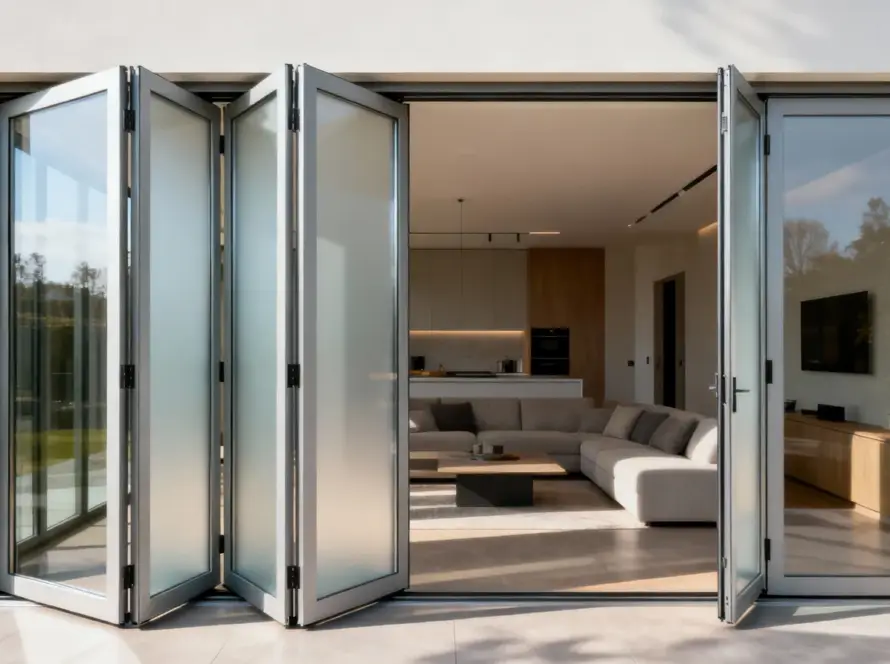
Prioritize energy-efficient windows Netherlands as a primary measure in renovations. HR++ glazing is a solid baseline; triple glazing lifts winter comfort, tames noise, and stabilizes indoor temperatures in windy Dutch weather. Target low whole-window U-values and airtight frames with warm-edge spacers. For south and west façades, tune g-values and add shading to prevent summer overheating while preserving winter gains.
Materials that match the Dutch climate
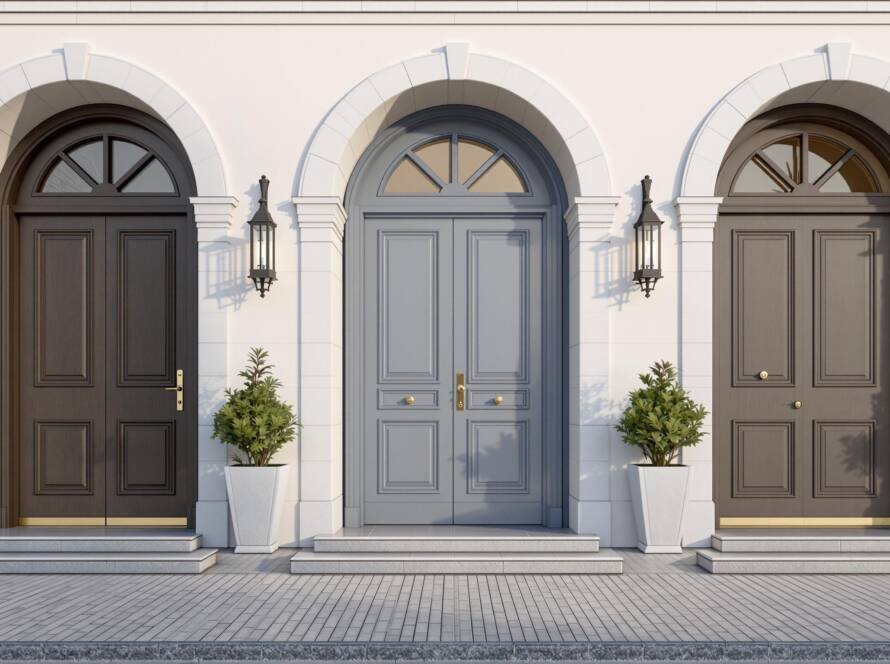
Select sustainable building materials Netherlands that survive rain, salt air, and long lifecycles. FSC-certified timber offers low embodied carbon and easy repairability; thermally modified or acetylated wood resists rot without heavy chemicals. Recycled-content aluminium performs well in slim profiles; pair with thermal breaks and circular take-back options. Hybrid wood–aluminium systems blend warmth inside with durable shells outside. For doors, choose dense, insulated cores with low-conductivity thresholds to cut drafts at ground level.
Design for daylight, privacy, and noise
Use tall, narrow lights common in Dutch streetscapes to pull sun deep into rooms. Place operable sections for purge ventilation without losing security. In busy urban zones or near rail, specify laminated acoustic panes and well-gasketed frames. Add vestibules or porch doors to create a buffer that improves airtightness and reduces heat loss at entries.
Integration with Dutch regulations and renovation reality
Align window and door upgrades with current national performance methods and municipal permits. When extending a row house or updating a canal house, keep façade rhythm and sightlines while upgrading to modern performance. In heritage situations, preserve profiles with slim double or vacuum glazing, and improve behind-the-scenes details such as seals, reveals, and reversible secondary glazing where appropriate.
Moisture, ventilation, and details that matter
Stop water first, then air, then heat. Detail sills with positive drainage, flashing, and end dams. Use robust, continuous air barriers tied to frames with tapes and compressible gaskets. Break thermal bridges at lintels and cills with insulating profiles. Combine airtightness with balanced or demand-controlled ventilation to keep indoor air fresh without wasting heat.
Practical tips
- Set performance targets. Define whole-window U-values, g-values, and airtightness classes that fit your home’s orientation and street context.
- Choose circular options. Prefer frames and hardware with documented recycled content, reparability, and take-back schemes; demand Environmental Product Declarations.
- Size for the sun. Optimize glazing ratios by façade: larger to south with shading, moderated to west, selective to east, tighter to north.
- Protect the junctions. Specify insulated installation frames, high-quality tapes, and continuous interior vapour control to prevent condensation in Dutch winters.
- Secure comfort at the door. Use insulated, low-threshold sills, multi-point locking, and double seals to eliminate drafts without compromising accessibility.
- Balance light and privacy. Combine clear panes with patterned or laminated sections at eye level on street façades.
- Plan maintenance. Select finishes and gaskets that resist UV, wind-driven rain, and sea air; ensure parts can be replaced without scrapping frames.
- Coordinate with heating. After upgrading to high-performance openings, recalibrate emitters and controls; lower supply temperatures often suffice.
Conclusion
Windows and doors are the quiet engines of Dutch sustainable architecture. Specify energy-efficient windows Netherlands and eco-friendly doors NL that deliver airtightness, smart solar control, and durable, circular materials. Detail connections to block leaks and bridges, manage moisture with care, and tune designs for daylight, privacy, and noise. Done well, these choices cut bills, raise comfort, and future‑proof homes across the Netherlands while advancing truly Dutch green architecture.