Introduction
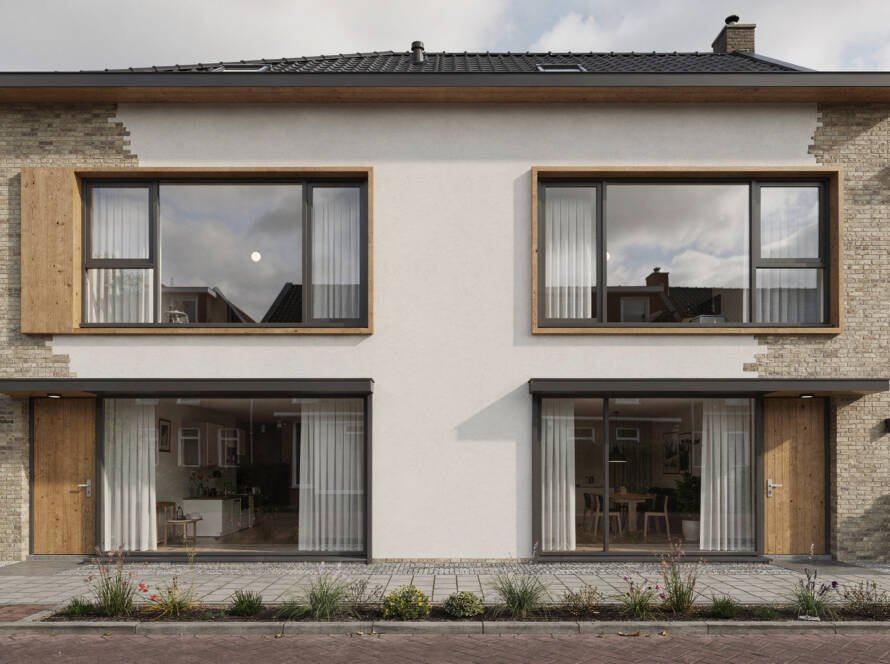
In the Netherlands, where harsh winters and a focus on sustainability shape daily life, optimizing home energy efficiency is essential for Dutch residents. Windows play a crucial role in this, as they account for a significant portion of heat loss in homes. The choice of window frame materials directly influences thermal performance windows Netherlands and overall insulation. This article explores how different materials impact energy efficiency, helping you make informed decisions for house renovations in the Netherlands.
Basic Concepts
Understand the fundamentals before diving deeper. Window frame materials form the structure holding the glass, affecting heat transfer, durability, and maintenance. Key terms include U-value, which measures thermal transmittance—lower values mean better insulation. In the Dutch context, energy-efficient frames NL must comply with strict building codes like the Bouwbesluit, emphasizing low U-values for windows below 1.0 W/m²K.
Dutch home insulation windows integrate frames with glazing to minimize drafts and condensation, common in the country’s humid climate. Sustainability enters the picture with eco-friendly materials that reduce carbon footprints during production and use. Thermal bridging occurs when frames conduct heat away from the home, a critical factor in material selection.
Common Window Frame Materials in the Netherlands
Explore the primary materials used in window frame materials Netherlands. Each offers unique properties suited to Dutch homes, from historic renovations in Amsterdam to modern extensions in Rotterdam.
uPVC Frames
Unplasticized polyvinyl chloride, or uPVC, dominates Dutch renovations due to its affordability and low maintenance. It excels in energy-efficient frames NL because of its inherent insulation properties, with U-values often around 1.3 W/m²K when paired with double glazing. In the Netherlands, where energy costs rose by 20% in recent years, uPVC helps retain heat, reducing heating bills by up to 15% in typical row houses. Its resistance to rot and Dutch weather—rain, wind, and salt from coastal areas—makes it ideal for long-term use. However, ensure high-quality seals to prevent air leakage, a common issue in poorly installed units.
Wooden Frames
Timber frames evoke traditional Dutch architecture, seen in many renovations of older homes. Wood provides natural insulation with U-values from 1.5 to 2.0 W/m²K, but advanced treatments can improve this to match modern standards. In the Netherlands, sustainable sourcing from FSC-certified wood aligns with national green building trends. Wooden frames absorb moisture well, preventing condensation in humid winters, yet require regular painting to withstand the elements. For energy efficiency, combine them with triple glazing, boosting performance in energy-conscious households aiming for EPC ratings above B.
Aluminum Frames
Aluminum offers sleek, modern aesthetics popular in urban Dutch extensions. Without thermal breaks, it conducts heat poorly, leading to U-values over 3.0 W/m²K and higher energy loss. However, thermal break aluminum—inserting insulating strips—improves this to under 1.5 W/m²K, making it viable for thermal performance windows Netherlands. Lightweight and durable against corrosion, it’s perfect for large windows in coastal regions like Zeeland. Drawbacks include higher upfront costs, often 30% more than uPVC, but long lifespan justifies investment in sustainable renovations.
Composite and Hybrid Frames
Emerging sustainable window frames Netherlands blend materials like wood-aluminum or uPVC-wood for balanced performance. Composites achieve U-values below 1.0 W/m²K, combining wood’s insulation with aluminum’s strength. In Dutch projects, these reduce energy consumption by 25% compared to standard frames, supporting the country’s 2050 carbon-neutral goals. They resist warping in variable climates and require minimal upkeep, appealing to eco-focused residents in Utrecht or Groningen.
Factors Influencing Energy Efficiency
Beyond materials, consider installation and integration. Proper framing minimizes thermal bridges, essential for Dutch home insulation windows. Dutch regulations mandate energy labels for new installations, pushing for materials that enhance overall building performance. Climate data from KNMI shows average winter temperatures around 2°C, amplifying the need for low-conductivity frames to curb heat escape.
- Glazing compatibility: Frames must support energy-efficient glass like low-E coatings.
- Air tightness: Seals prevent infiltration, critical in windy Dutch polders.
- Lifespan and recyclability: Sustainable options like uPVC, recyclable at 100%, align with circular economy principles.
Practical Tips
Assess your home’s needs during renovations. Prioritize materials with verified U-values from independent tests to ensure compliance with Dutch standards. Opt for frames that integrate with existing insulation systems, such as cavity wall enhancements. Evaluate total cost over 20 years, factoring in energy savings—uPVC often pays back in five years through lower gas use. Consult local building guidelines to select frames boosting your home’s energy label. Maintain frames annually by cleaning seals to sustain efficiency. Choose certified installers experienced in Netherlands-specific challenges like subsidence in soft soils.
Conclusion
Selecting the right window frame materials profoundly affects energy efficiency in Dutch homes, balancing insulation, sustainability, and durability. From uPVC’s cost-effectiveness to composites’ innovation, options abound for enhancing thermal performance windows Netherlands. By focusing on low U-values and regulatory compliance, Dutch residents can lower energy costs and contribute to national sustainability efforts. Invest wisely in your next renovation for a warmer, greener home.