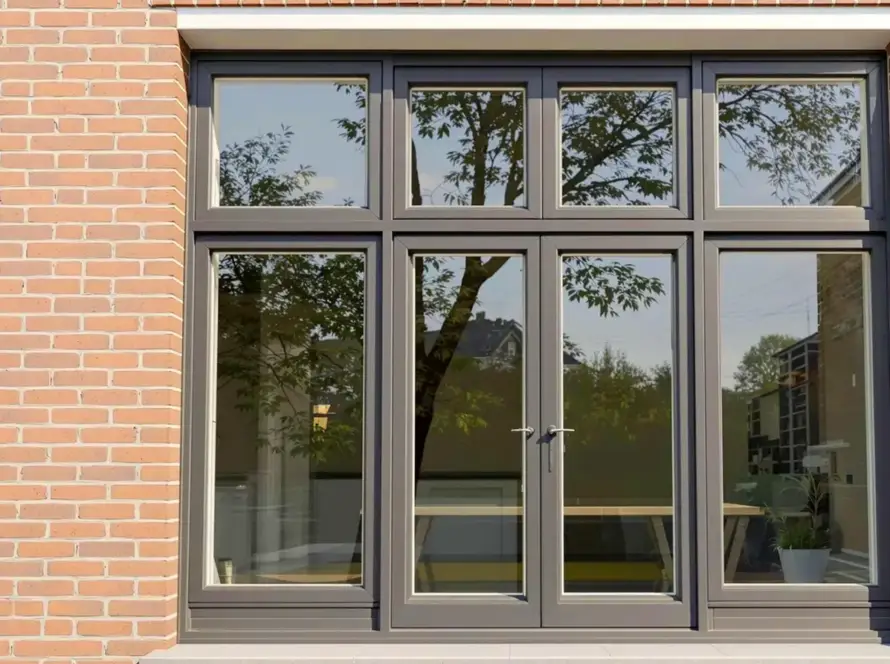
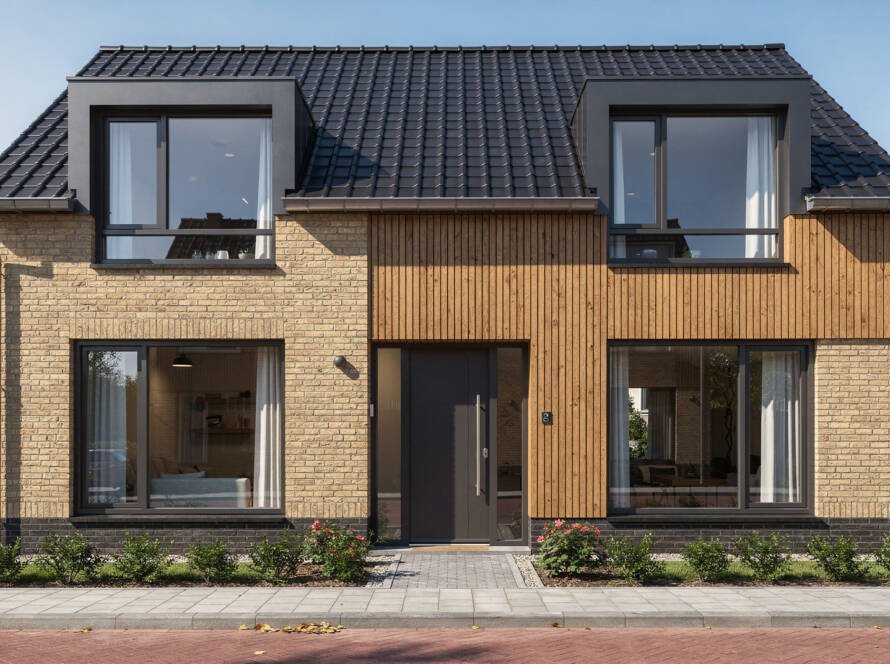
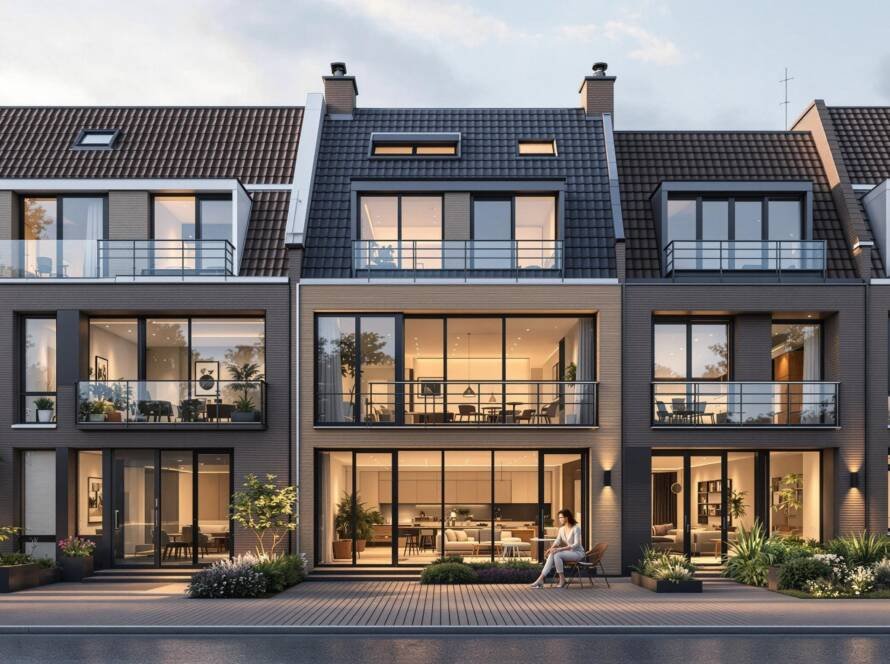
Front and back doors remain the primary entry points for burglary in Dutch homes, from canal apartments to suburban rijtjeshuizen. The rise of advanced door locks NL solutions and integrated door security systems Netherlands reshapes how households think about risk, privacy, and reliability. This guide explains the essentials behind Dutch secure doors, how high-security locks Netherlands align with local standards, and what to prioritize to make your home harder to breach while keeping daily living smooth.
Basic concepts
Home security doors Netherlands: Doors, frames, and hardware built and tested to resist forced entry and manipulation while preserving safe escape in an emergency.
SKG rating: Dutch certification (Stichting Kwaliteit Gevelbouw) that grades burglary resistance. Choose complete assemblies with SKG two-star or SKG three-star performance for main entrances.
Multipoint locking (meerpuntsluiting): A mechanism that bolts the door to the frame at several points, reducing prying leverage and warping.
Cylinder security: Anti-snap, anti-drill, anti-pick, and anti-bump features protect the European profile cylinder, the heart of most locks.
Access control: Cards, fobs, PINs, or smartphones that control entry. Smart variants may add logs, schedules, and remote management.
Politiekeurmerk Veilig Wonen (PKVW): A Dutch safety framework that rewards coherent measures (doors, lighting, sightlines) and can support insurance discussions.
Build a strong Dutch door stack
Start with the door leaf and frame
Security begins with structure. Solid hardwood or steel-faced leaves with reinforced cores resist kicking and tool attacks. Frames must be anchored into masonry with long fasteners and backed by robust strike plates. In coastal regions, specify corrosion-resistant hardware such as stainless steel of appropriate grade to survive salt air and keep tolerances tight in the Netherlands’ maritime climate.
Upgrade the locking core
Blend a quality multipoint lock with a certified cylinder. Favor cylinders with hardened pins, anti-snap bridges, and controlled key duplication via a security card. This neutralizes common attacks seen across Dutch neighborhoods. For Dutch secure doors with glass panels, protect the cylinder with an external security escutcheon that blocks drilling and pulling.
Secure hinges and strike zones
Use security hinges with fixed pins or dog bolts to stop hinge-side attacks on outward-opening doors. Reinforce strike plates with deep screws into the wall structure, not just the frame. Maintain tight door-to-frame gaps to deny leverage for prybars.
Adopt smart carefully
Advanced door locks NL now pair mechanical strength with electronics. Prioritize devices that fail secure without trapping occupants and that keep local control during internet outages. Demand encrypted communication, audit logs, and role-based access. Plan power resilience with replaceable batteries and a mechanical override. When integrating door security systems Netherlands such as video intercoms or sensors, ensure data handling aligns with Dutch privacy expectations and store logs responsibly.
Compliance, egress, and insurance
Balance protection with safe escape. Doors on escape routes must open quickly from inside without special knowledge. Align choices with current Dutch building regulations for residential egress and consider PKVW-aligned solutions. Many insurers in the Netherlands recognize SKG-rated components; proper documentation can support policy conditions for high-security locks Netherlands.
Practical tips
- Map entrances and rank risk by street visibility, lighting, and past incidents in your buurt.
- Prioritize main and back doors for SKG three-star assemblies with multipoint locking.
- Choose cylinders with anti-snap, anti-drill, anti-pick, and controlled key duplication; store the key card securely.
- Pair locks with reinforced strike plates and security hinges; keep gaps narrow and even.
- Adopt smart features only when they add clear value; require encryption, offline operation, and a physical override.
- Plan maintenance: inspect screws, lubrication, weather seals, and battery status each season.
- Record models, certificates, and key numbers; keep a dedicated log for access updates and incidents.
- Account for the Dutch climate; select corrosion-resistant hardware to sustain long-term performance.
- Coordinate with your VvE when securing apartment entries to align with shared access and fire safety rules.
- Test egress after every change; ensure doors open swiftly from the inside under stress and low light.
Conclusion
Strong home security doors Netherlands depend on a complete chain: a rigid door and frame, a certified multipoint lock, a protected cylinder with key control, and, where appropriate, smart oversight that respects privacy. Choose components that meet Dutch expectations like SKG certification and PKVW principles, verify safe escape, and maintain the system through the seasons. With these steps, advanced door locks NL deliver daily convenience and credible protection tailored to the way Dutch homes are built and lived in.