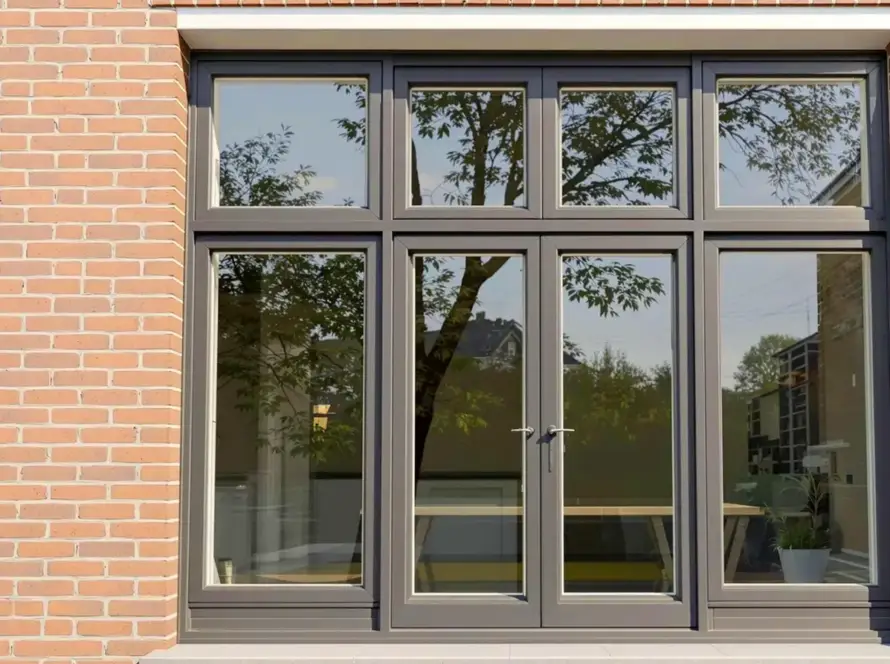
The Netherlands is kind to cyclists and harsh to timber. Wind-driven rain, salty air along the coast, sharp sunbreaks between showers, and long, damp seasons test every joint and coating. Smart wooden window maintenance Netherlands style means controlling moisture, shielding the wood from UV, and keeping moving parts aligned. Do this with discipline and your joinery will look sharp, seal tight, and last decades.
Basic concepts
- Moisture content: Wood swells when wet and shrinks when dry. Stability is everything.
- End grain protection: Cut ends drink water fastest; seal them first, best, and always.
- Coating system: Primer, midcoat, topcoat that is micro-porous and UV-resistant.
- Drainage and ventilation: Sloped sills, drip rails, weep holes, and ventilated glazing beads move water out.
- Weatherstrips and hardware: Gaskets and hinges keep air and water where they belong.
What the Dutch climate does to timber
Frequent rain drives moisture into joints and glazing rebates. Sudden sun dries surfaces fast and stresses coatings. Coastal salt films attract water and speed corrosion. Frost finds tiny cracks and widens them. Dutch climate wood care is a cycle: shed water, breathe vapor, block UV, repeat.
Design details that extend service life
- Sloped, dripped, and drained: Ensure sills slope outward, fit a proper drip rail, and keep weep holes open.
- Back-primed components: Specify that hidden faces are sealed to balance vapor movement.
- End grain sealed twice: Protect the bottom of doors, tops and bottoms of sashes, and miters.
- Durable species and modified wood: Accoya, thermally modified pine, and dense hardwoods resist the Dutch cycle.
- Robust glazing detail: Use elastic, paintable glazing sealants and ventilated beads to avoid trapped moisture.
Coatings and wood window treatment Netherlands
Choose a breathable, micro-porous coating system that releases vapor but blocks bulk water. Waterborne acrylics perform well on windows; high-build hybrid systems suit doors that take more knocks. Use a fungicidal primer, follow with UV-stable layers, and prioritize south and west elevations. For heritage looks, modern linseed systems can work if film thickness and curing are controlled.
Annual timetable for timber window upkeep NL
- Spring: Inspect after winter. Log blistering, checking, failed caulk, soft spots, and swollen sashes.
- Summer: Plan coating work in stable, dry weather. Address end grains and sun-exposed faces first.
- Autumn: Weather-tighten before storms. Verify gaskets, drip rails, and drainage paths.
- After severe storms: Check lower rails and thresholds for standing water and paint damage.
- Coastal zones: Schedule periodic freshwater rinses to remove salt from frames and hardware.
Interior moisture control
- Vent smart: Keep trickle vents and mechanical ventilation working to hold indoor RH near 40–60%.
- Defeat condensation: Manage cooking and shower steam; prevent water from tracking onto sashes.
- Heat evenly: Avoid cold corners that invite mold on frames and seals.
Hardware, seals, and movement
- Gaskets: Replace flattened seals; a soft, continuous seal prevents driven rain ingress.
- Hinges and stays: Keep them aligned so sashes close square and compress the seals evenly.
- Thresholds: Maintain clearances and intact finishes where doors take splashback and foot traffic.
Early warning signs
- Hairline cracks at joints: Movement is opening a water path; address joints and coatings.
- Grey, fibrous wood: UV has stripped lignin; restore with sanding and a full coating build-up.
- Black staining near glazing: Trapped moisture; improve drainage and renew sealants.
- Sticky sashes: Swelling or misalignment; tune hardware and verify paint thickness on contact faces.
Practical tips
- Set a fixed inspection date twice a year and record findings with photos.
- Prioritise south and west elevations for shorter recoat cycles.
- Specify double sealing of all end grains whenever work is done.
- Protect glazing rebates and lower rails first; they fail earliest in Dutch weather.
- Keep weep holes, drip rails, and beads clear to let frames drain and breathe.
- Use coating systems rated for high UV and driven rain; match products across the system.
- Standardise hardware finishes that resist salt if you live near the coast.
- Document every intervention; consistent data beats guesswork.
Conclusion
Preserving wooden doors Netherlands style and caring for timber windows is not about miracle products; it is about method. Control water, protect end grain, keep coatings breathable and intact, and manage indoor humidity. Plan work with the seasons. With steady attention to detail, wood window treatment Netherlands becomes routine, Dutch climate wood care becomes predictable, and your joinery earns a long, clean life.