The Impact of Window Placement on Natural Light in Dutch Homes
Introduction
In the Netherlands, daylight is precious. Short winters, dense streets, and narrow plots make every lumen count. Smart window placement Netherlands decisions can transform a dim rijtjeshuis into a bright, calm interior while keeping energy use in check. This guide explains how to use natural light optimization NL principles to improve comfort, efficiency, and value in Dutch home design.
Basic concepts
- Window orientation Netherlands: Direction matters. South brings steady sun, north brings soft sky light, east gives bright mornings, west warms late in the day.
- Glazing ratio: The size of windows relative to floor area shapes daylight and heat balance.
- U-value and g-value: U controls heat loss; g controls solar gain. Balance them for comfort and bills.
- Obstruction and reflectance: Neighbouring buildings, trees, and canal water reflect or block light.
- Privacy and glare: Urban life needs glass that lights the room without exposing it.
Orientation: what each facade gives you
South-facing
South-facing windows deliver reliable daylight year-round and passive heat in winter. Use external shading or modest overhangs to cut summer peaks while keeping low winter sun. In daylighting strategies Netherlands, place living and working areas here to anchor the home’s light budget.
East and west
East wakes the home; west can overheat. Control glare with vertical fins or adjustable external shading. In Dutch home design, pair these facades with dining, kitchens, or short-stay spaces to enjoy light without long afternoon heat loads.
North-facing
North offers even, shadow-free illumination ideal for studios and circulation. Expect little solar gain. Use larger panes with low U-values to maintain comfort without glare.
Urban context and heritage
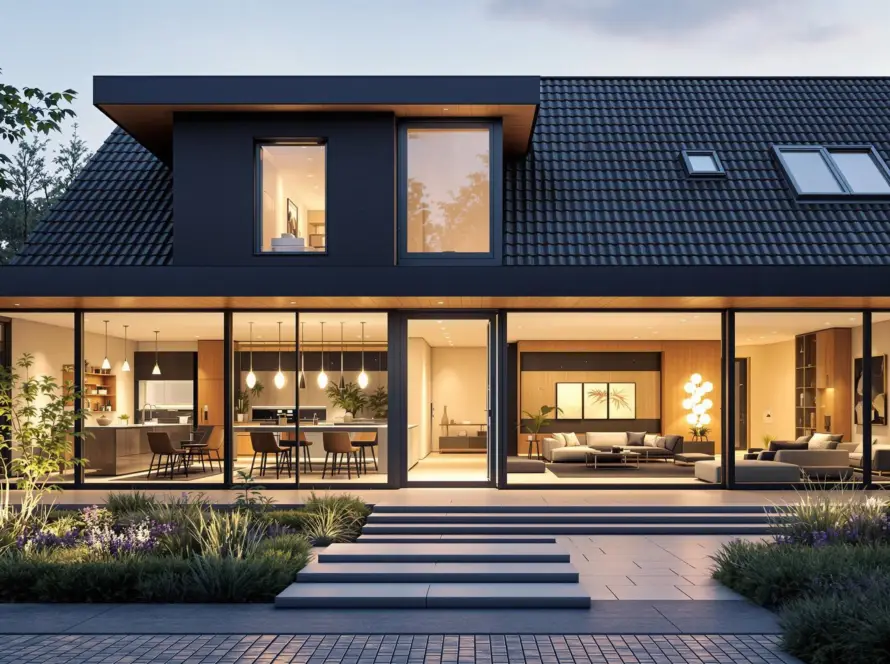
Dutch streets are tight, and many facades are protected. Expect partial sky views and deep rooms. Bring light from above with rooflights on extensions, or from within via courtyards and light wells. When altering openings, respect local rules and monument status; window placement Netherlands choices must align with municipal permits and street character.
Materials and detailing that serve daylight
- High-performance glazing: Choose low U-values and tailored g-values per orientation: higher g on south and north for winter gain, lower g on west to curb summer spikes.
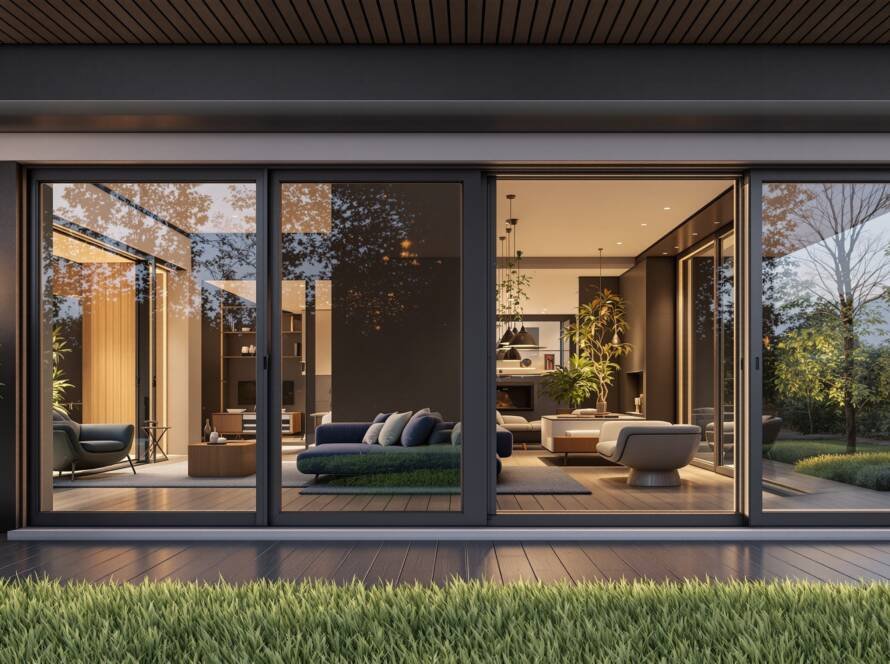
- Frames and sightlines: Use slim, thermally broken frames to increase visible glass and reduce heat loss.
- Condensation control: Favor warm-edge spacers and maintain background ventilation to keep panes clear.
- Acoustics and weather: On busy streets and windy coasts, specify acoustic glazing and robust seals that do not compromise light.
Daylighting strategies Netherlands that work
- Go tall, not just wide: Higher window heads and clerestories push light deeper into rooms.
- Use the roof: Rooflights and continuous ridge glazing outperform side windows in deep plans, especially in extensions.
- Shape interiors to carry light: Keep circulation along the facade, align doors and transoms, and use translucent partitions where privacy is needed.
- Brighten bounces: Light-toned ceilings and reveals lift daylight levels without more glass.
- Control before you add: Reduce glare with external shading and light shelves so spaces stay usable all day.
Practical tips
- Map the sun path for your plot and identify obstructions; place primary rooms on the best-lit sides.
- Prioritize south and north glazing for stable light; limit west-facing area unless shading is planned.
- Set window heads as high as structure allows to increase daylight penetration.
- Combine side windows with rooflights in long Dutch extensions to avoid gloomy centers.
- Match glazing g-values to orientation to balance warmth and glare.
- Protect privacy with higher sills, frosted lower panes, or angled views without sacrificing sky.
- Document daylight intent early so permits and detailing support the design from start to finish.
Conclusion
Natural light optimization NL starts with thoughtful window orientation Netherlands choices, then relies on smart glass, careful detailing, and interiors that carry light. In the Dutch context—compact plots, variable weather, and rich heritage—small shifts in window placement transform comfort and efficiency. Use these daylighting strategies Netherlands to build brighter homes that feel calm, work better, and stand the test of seasons.