Introduction
For Dutch homeowners, window replacement is one of the most impactful upgrades you can make to your property. The Netherlands’ cool maritime climate demands excellent thermal performance, and older single- or double-glazed units often fall far short of modern standards. When planning a home upgrade, you face a strategic choice: replace every window at once in a whole-house project, or spread the work over several years through phased renovation. Both approaches have strong merits, and the best decision depends on your budget, timeline, comfort needs, and the condition of your current frames. This article breaks down the key differences, offers project planning guidance, and helps you align window installation with your broader renovation goals.
Basic Concepts
Window installation refers to the process of removing old frames and glazing, then fitting new units that meet current building codes. In the Netherlands, this often means upgrading to HR++ double glazing or triple glazing, which dramatically reduces heat loss. Phased renovation means carrying out work in segments—for example, replacing windows on the ground floor one year and the upper floor two years later. Whole-house replacement involves a single comprehensive installation across the entire property. Both methods require careful timeline management to minimize disruption to your daily life. The home upgrade value lies not only in lower energy bills but also in improved soundproofing, better ventilation control, and increased property resale value.
Whole-House Window Replacement
Choosing whole-house replacement offers a clean, unified result. Every window matches perfectly in style, colour, and glazing type, which is especially important for terraced houses or semi-detached homes where visual consistency matters. From a project planning perspective, you deal with one contractor, one permit application (if needed), and one period of disruption. Bulk purchasing often reduces the unit price per window, and scaffold rental costs are paid only once. On the downside, the upfront investment is substantial. For many Dutch households, financing all windows at once may require a larger renovation loan or using savings you planned for other projects. You also need to coordinate a timeline that works for both the glazing crew and your own schedule—typically one to three weeks depending on the house size.
Phased Replacement
Phased renovation spreads the financial load and allows you to react to changing priorities. You might replace the living room windows first because that is where you feel draughts most, then tackle bedrooms in a later year. This approach is common in older Dutch homes where budgets are tight but energy labels need gradual improvement. However, phased work introduces challenges in matching window styles. Manufacturers may discontinue a particular frame profile or colour, leaving later installations visually mismatched. You also pay multiple mobilisation and scaffold costs over time, which can erode the bulk discount benefit. A phased timeline demands stricter documentation: keep records of glazing types, U-values, and supplier details so future phases remain compatible.
Comparing Costs and Budget Planning
Whole-house replacement often looks more expensive on paper, but the total cost of phased work usually ends up higher. Why? Each separate installation includes transport, labour setup, and waste disposal. If you replace four windows in year one and six in year three, you pay those fixed costs twice. Whole-house contracts also let you negotiate better prices for volume. That said, phased renovation protects your cash flow and allows you to use annual energy subsidies more flexibly. Dutch subsidy schemes such as ISDE may require you to install at least two energy-saving measures together, so check current rules before deciding. Create a simple 5-year financial plan comparing both scenarios. Include expected energy savings, subsidy amounts, and interest costs if you borrow.
Impact on Energy Efficiency and Comfort
Each new window reduces heat loss immediately. Replacing all windows at once provides a sudden, measurable drop in gas consumption—often the main heating source in Dutch homes. That can improve your home’s energy label by a full grade or more in a single year. With phased replacement, you feel gradual improvements, and your energy bills decline more slowly. If you live in a noisy street or near Schiphol flight paths, whole-house replacement also delivers immediate soundproofing benefits across every room. For a phased approach, prioritise windows facing the prevailing southwest wind and rain, as these contribute most to heat loss and moisture ingress.
Project Planning and Timeline Management
Plan window installation during the drier months—April through October—to reduce weather risks. Obtain quotes at least three months before your preferred start date. For whole-house projects, vacate rooms near the work area or cover furniture thoroughly. Coordinate with any other home upgrade you are planning, such as wall insulation or a kitchen renovation, because replacing windows before plastering prevents rework and damage. If you choose phased renovation, create a written schedule that lists which windows will be replaced in each phase, the target U-value, and the supplier’s frame reference number. This record becomes essential when you order matching units years later.
Choosing Materials and Styles for Dutch Homes
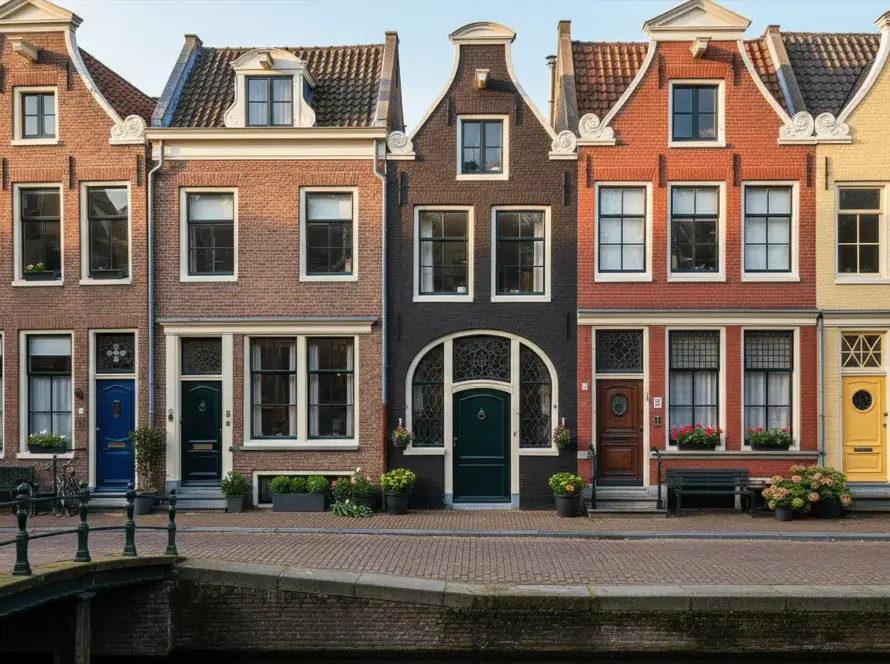
The Netherlands has distinct architectural traditions. Stone-built urban houses from the 1930s often suit wooden frames with slim profiles, while modern post-2000 homes can handle sleek aluminium. PVC frames dominate the middle segment because they are low-maintenance and reasonably priced. For monument-protected properties, you must respect original sightlines and may need custom timber frames. Consider ventilation: modern windows seal tightly, so include trickle vents or coordinate with mechanical ventilation. If you plan phased replacement, choose a timeless style—such as a simple draaikiep or valraam—that will still be available and aesthetically compatible when you complete later phases.
Regulatory and Compliance Factors
Most window replacement in the Netherlands does not require a permit if you keep the same dimensions and appearance. However, if your home is in a protected cityscape or listed building, you need approval from the municipality. Even without a permit, your new windows must meet the minimum thermal requirements in the Bouwbesluit. Check whether your project triggers the need for an energy performance certificate update. For phased renovations, keep all invoices and specifications because you may need to prove which measures were installed in which year to claim subsidies correctly.
Practical Tips
- Assess your home’s current condition. Walk through each room and note frame rot, condensation, and draughts. Rank windows by urgency.
- Request three written quotes. Specify the same glazing type and frame material for fair comparison. Ask for a total price and a per-window breakdown.
- Verify subsidies before signing. Check the RVO website for current ISDE or local municipality grants. Some require minimum U-values.
- Coordinate with other renovations. If you are planning a house extension or complete renovation, include window replacement in the same permit and timeline to save on overheads.
- Protect your interior. Use dust barriers and remove curtains and blinds before installation day. Plan for temporary window coverings if the job runs overnight.
- Keep a project file. Document frame colours, hardware types, and glazing specs. This file is invaluable for phased renovation.
- Schedule a final inspection. After installation, check that every window opens, closes, and locks correctly. Confirm ventilation openings are unobstructed.
Conclusion
Whole-house window replacement gives you immediate energy savings, consistent aesthetics, and lower total cost per unit—but it demands a large upfront budget and a single intense period of disruption. Phased renovation spreads expenses and lets you adapt to changing needs, yet it risks visual mismatches and higher cumulative costs. For most Dutch residents, the smart move is to evaluate your financial buffer and the urgency of your comfort problems. If you can afford it and your windows are uniformly old, whole-house replacement is the cleaner long-term solution. If funds are limited, start phased renovation with the worst-facing windows and document every detail. Either way, careful project planning turns window installation from a disruptive chore into a strategic home upgrade that pays dividends in lower energy bills and greater living comfort.